Blue and orange
(Eng)
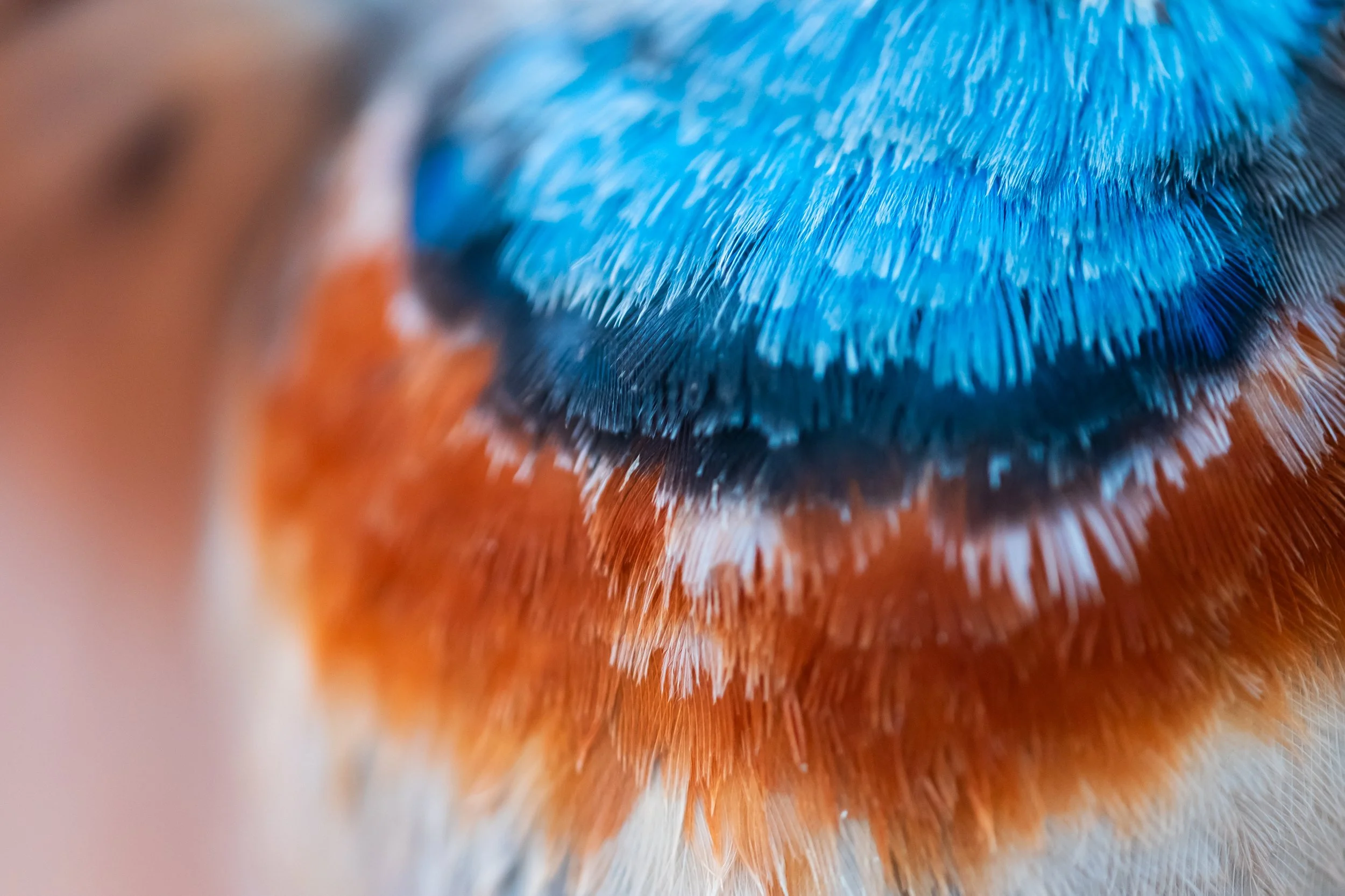
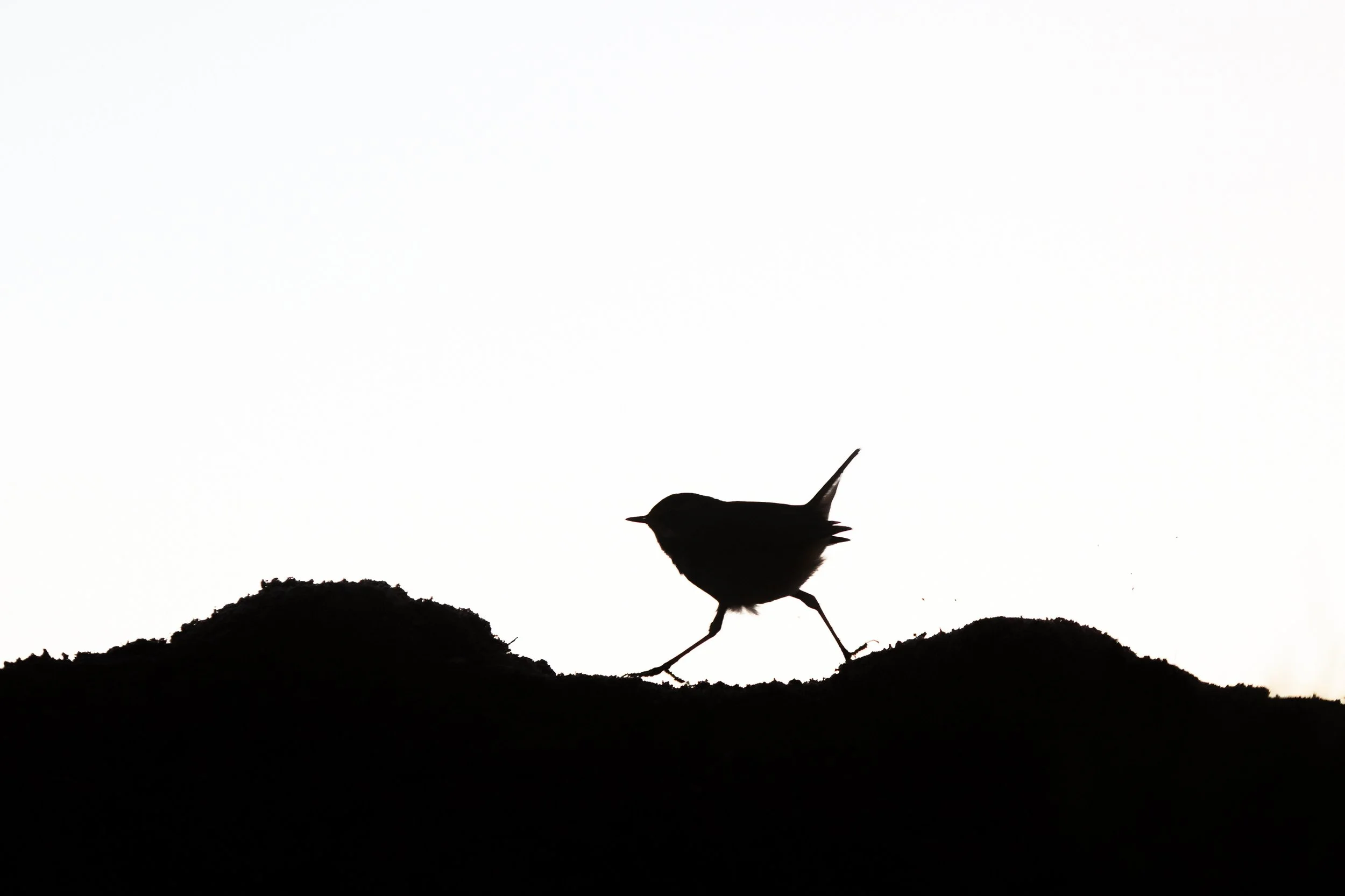
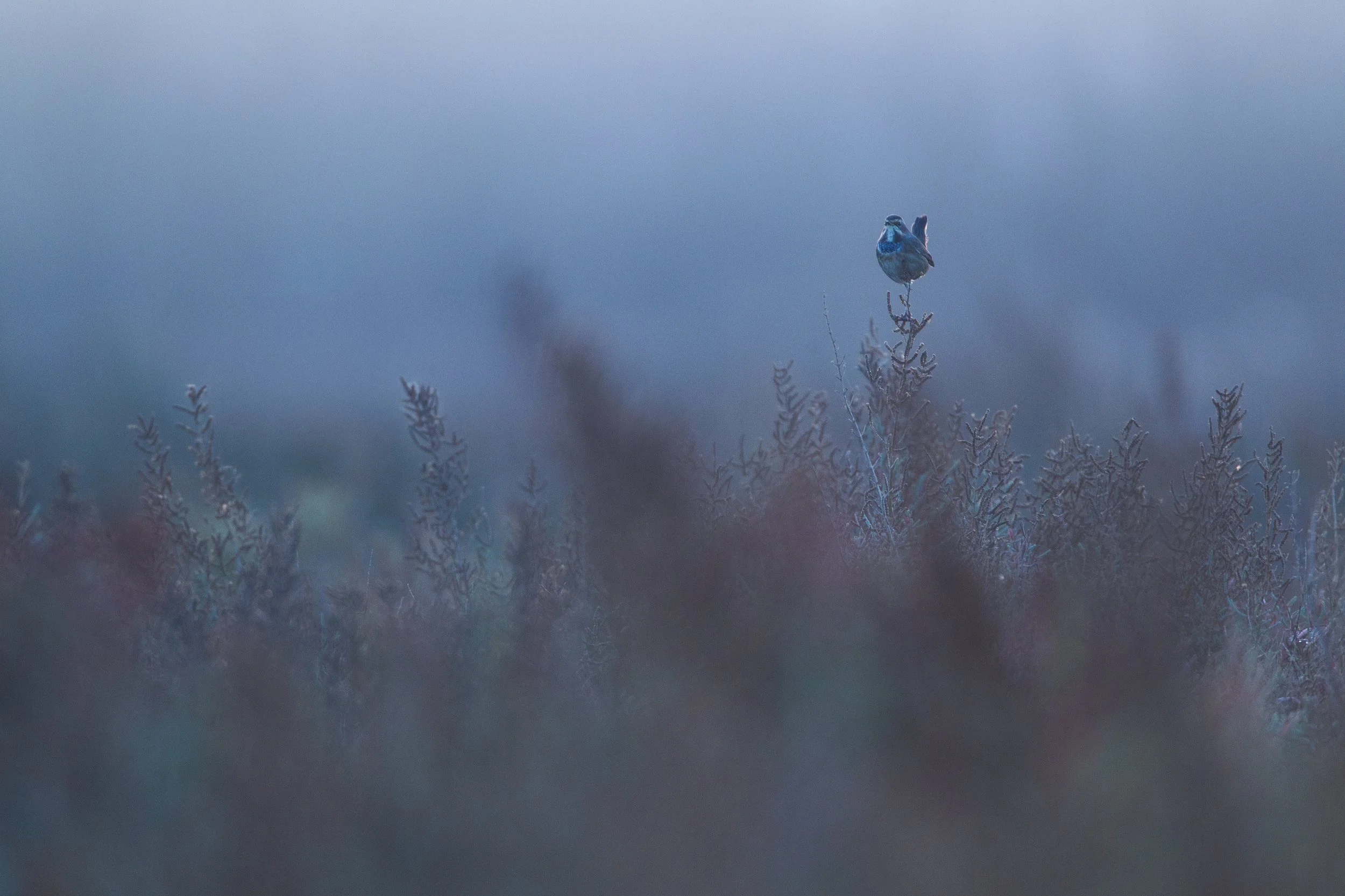
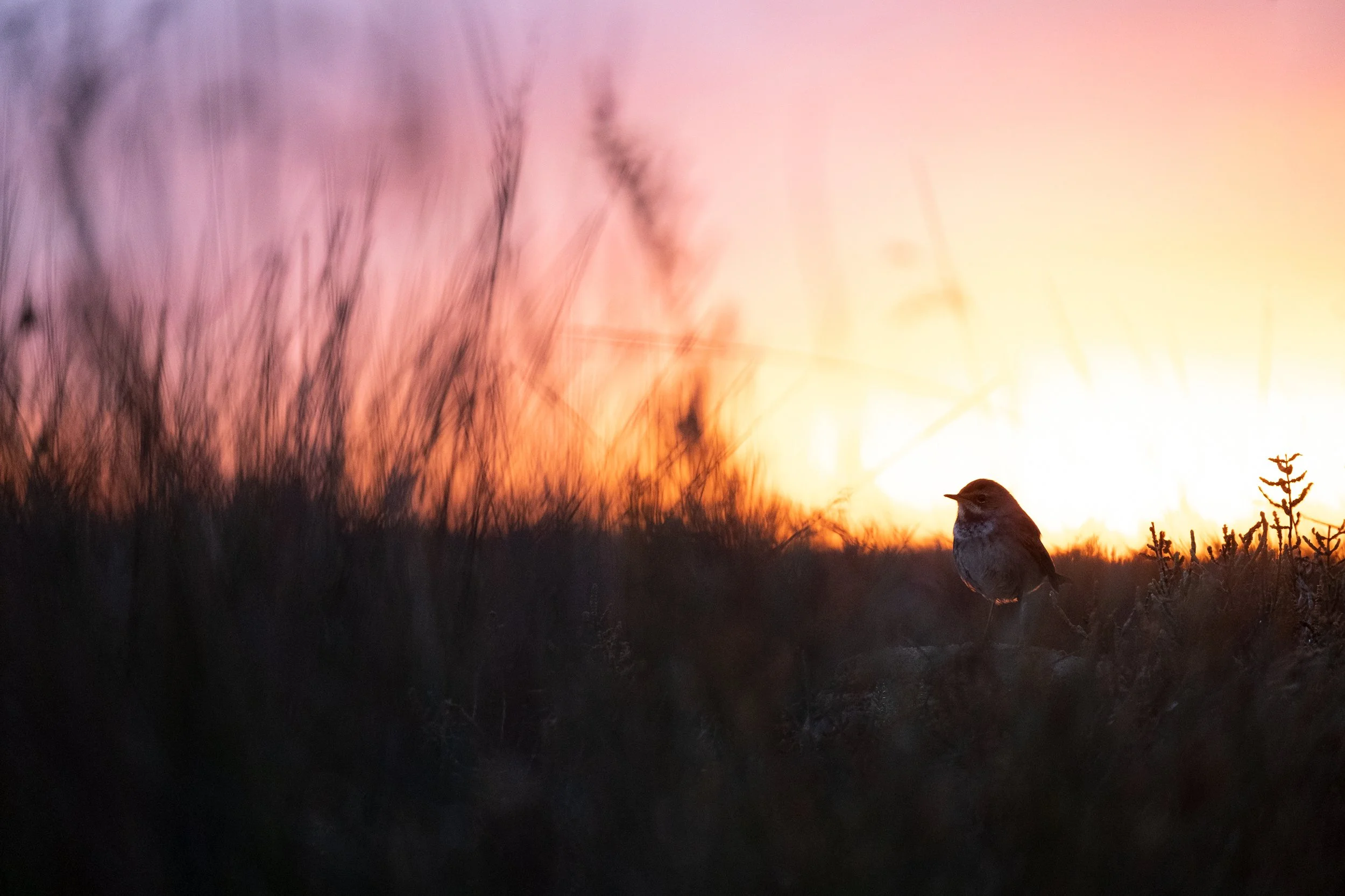
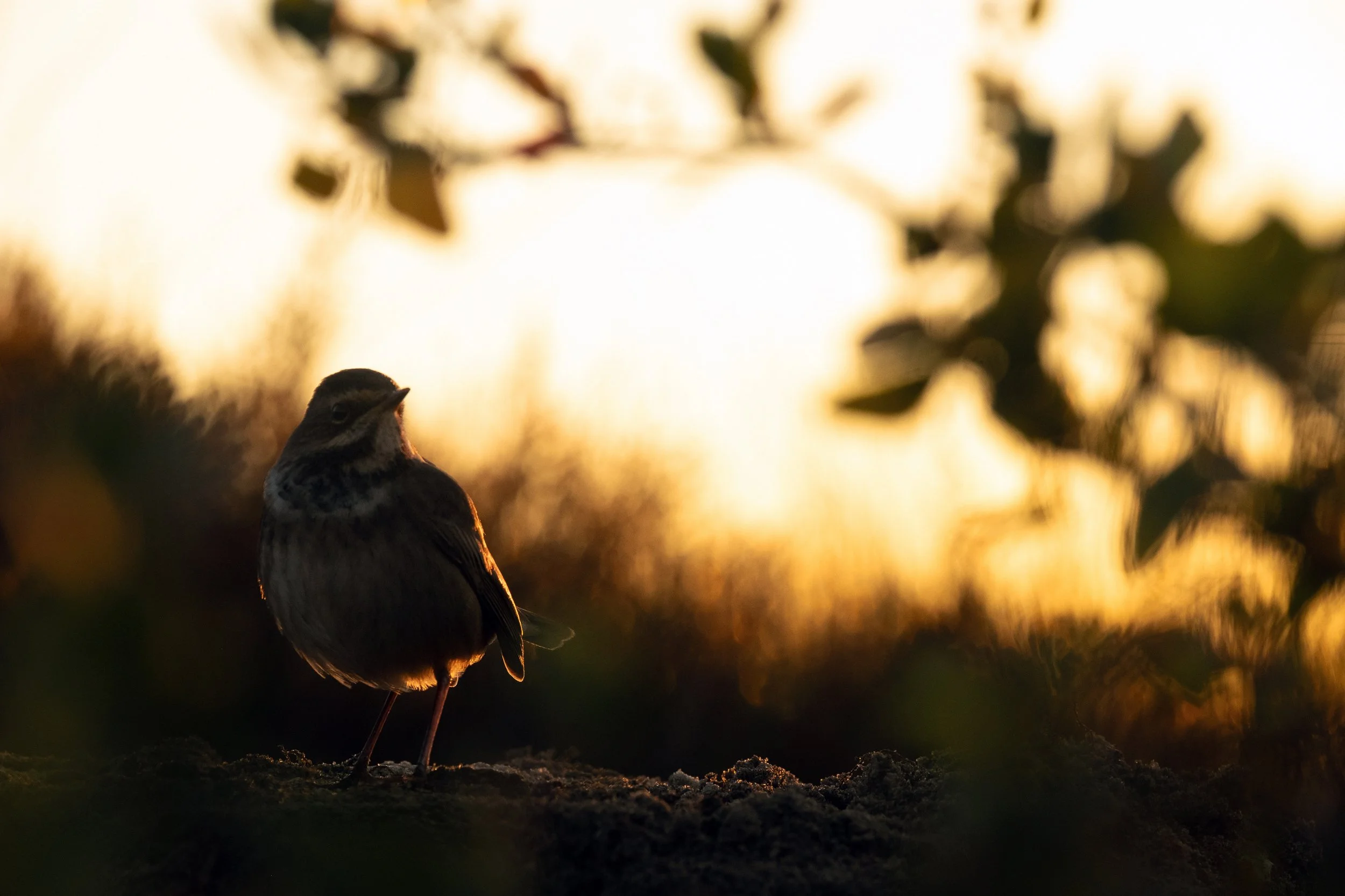
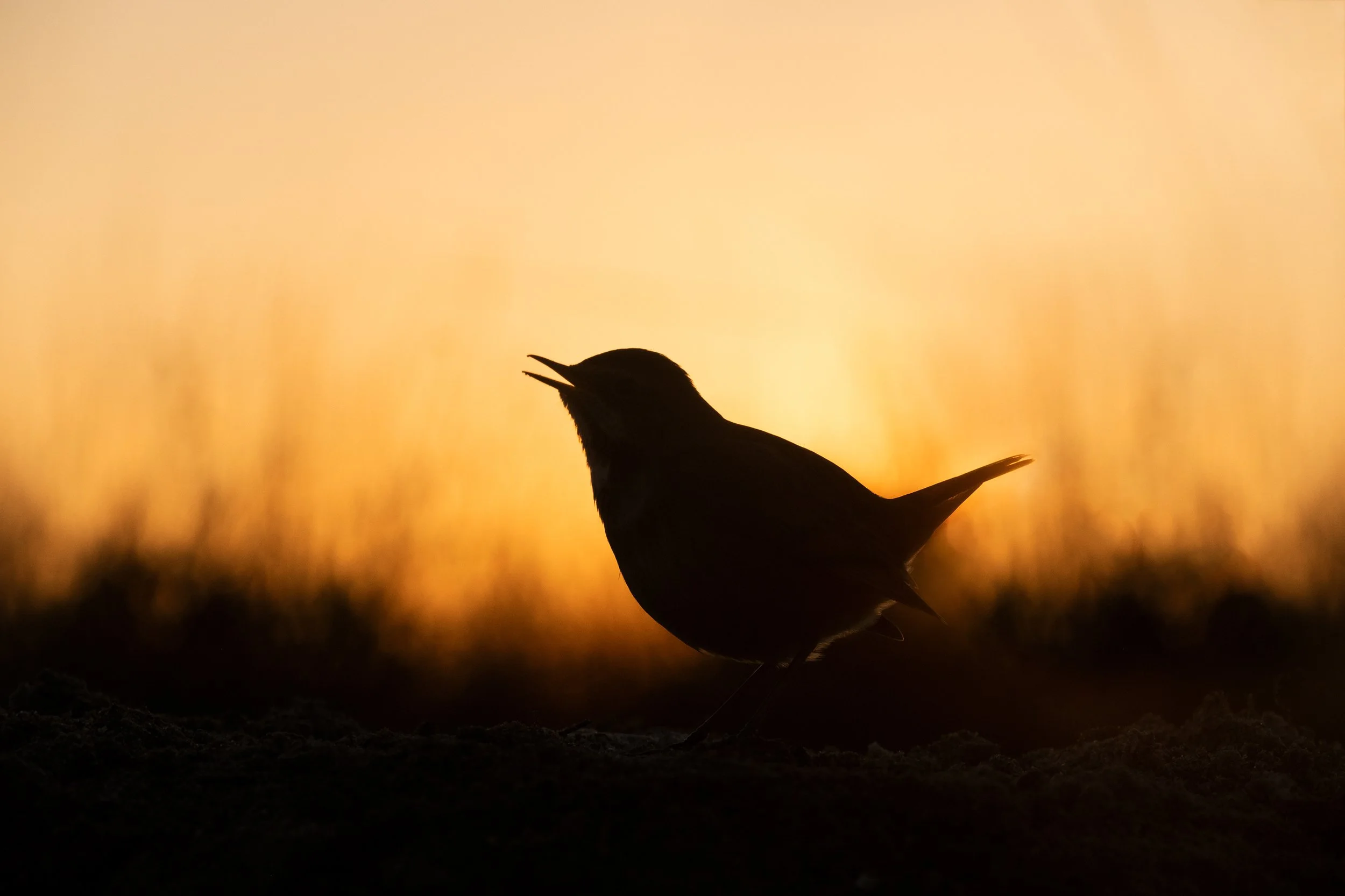
Luscinia svecica, commonly known as Bluethroat, is a small passerine bird from the Muscicapidae family. During the winter, this species finds refuge in portuguese estuaries, where it encounters ideal conditions to survive the colder months.
Estuaries such as the Tagus, Sado, and Mondego provide an abundance of food and protected habitats. Marshes and muddy shores are particularly important for the bluethroats, as they offer insects, small crustaceans, and plant matter that make up its diet. Additionally, the dense vegetation along the banks allows it to hide from predators and rest safely.
During winter, the Luscinia svecica exhibits discreet behavior.
Despite its vibrant plumage—especially in males, which display a characteristic blue throat with an orange patch—the bird prefers to remain camouflaged among the vegetation. Usually solitary, it can be seen hopping on the ground in search of food or emitting a soft song, much less exuberant than during the breeding season.
The presence of the bluethroat in Portuguese estuaries highlights the importance of these ecosystems for migratory birdlife. The conservation of wetlands is essential to ensuring that species like this continue to find refuge during the colder months, reinforcing biodiversity and the ecological balance of these coastal areas.
During three winters and while teaching in Barreiro (near the Tagus Estuary), I worked with this species together with Nuno Cabrita. The proximity that this bird allowed and the "will" that it had with us made our work much easier...

(Pt)
Luscinia svecica, conhecido como o Pisco-de-peito-azul, é uma pequena ave passeriforme da família Muscicapidae. Durante o inverno, esta espécie encontra refúgio nos estuários portugueses, onde encontra condições ideais para sobreviver aos meses frios.
Os estuários, como os do Tejo, do Sado e do Mondego, oferecem uma abundância de alimento e habitats protegidos. As áreas de sapal e margens lodacentas são particularmente importantes para o Pisco-de-peito-azul, pois fornecem insetos, pequenos crustáceos e matéria vegetal que compõem a sua dieta. Além disso, a vegetação densa nas margens permite-lhe esconder-se de predadores e descansar em segurança.
Durante o inverno, o comportamento do Luscinia svecica é discreto.
Apesar da sua plumagem vibrante – especialmente nos machos, que apresentam um característico peito azul com uma mancha alaranjada – a ave prefere permanecer camuflada entre a vegetação. Normalmente solitária, pode ser vista a saltitar pelo solo em busca de alimento ou a emitir um canto suave, bastante menos exuberante do que durante a época de reprodução.
A presença do Pisco-de-peito-azul nos estuários portugueses destaca a importância destes ecossistemas para a avifauna migratória. A conservação das zonas húmidas é essencial para garantir que espécies como esta continuem a encontrar refúgio nos meses mais frios, reforçando a biodiversidade e o equilíbrio ecológico dessas áreas costeiras.
Durante três invernos e enquanto lecionava no Barreiro (perto do Estuário do Tejo), trabalhei com esta especie em conjunto com o Nuno Cabrita. A proximidade que esta ave permitia e o "à vontade" que tinha conosco facilitou em muito o nosso trabalho...