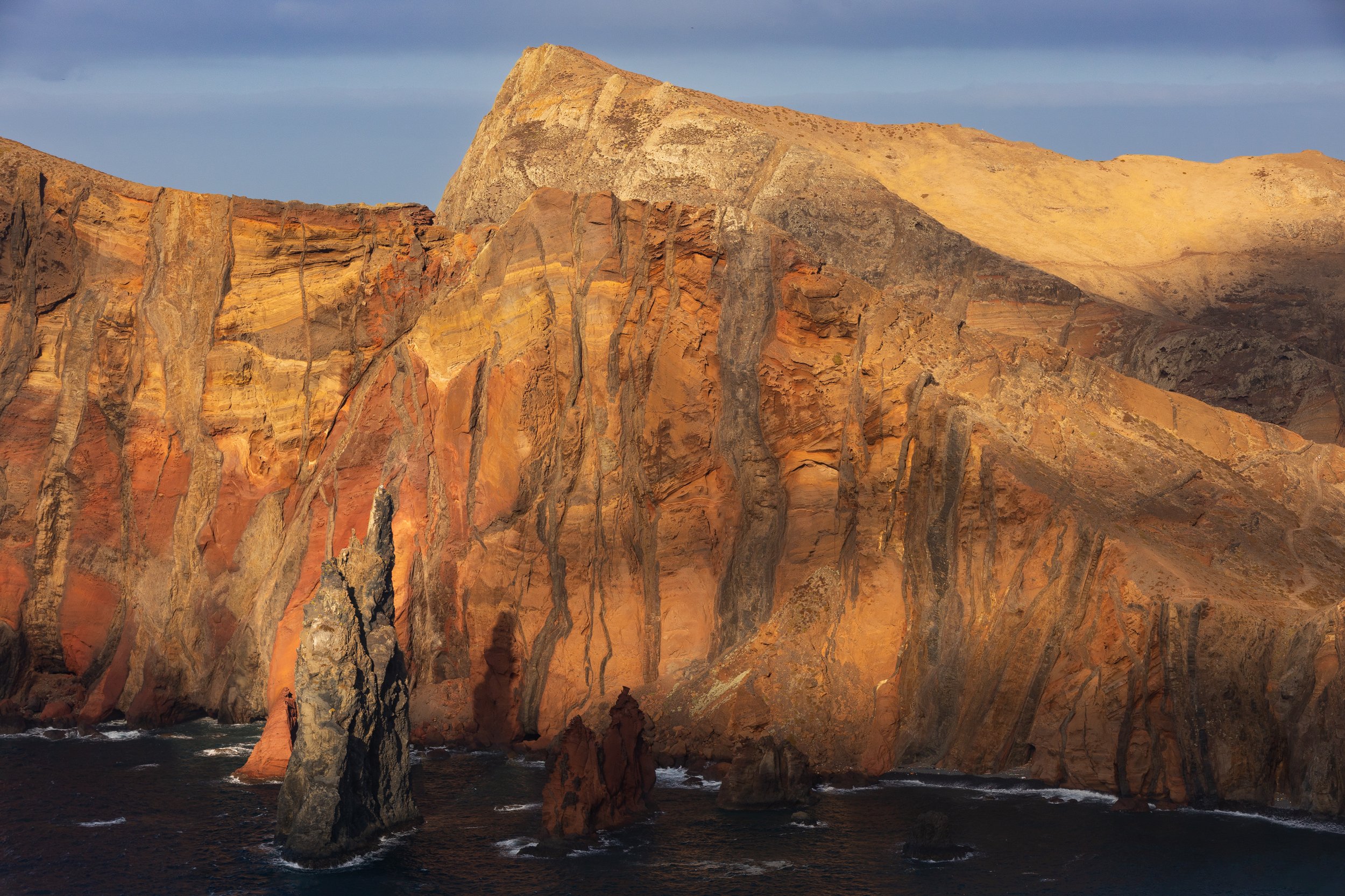
Atlantic Rhythms
Photographing Madeira and Porto Santo is, for me, an exercise in listening. Listening to the light, the wind, the silence, and the unique rhythm of each island…
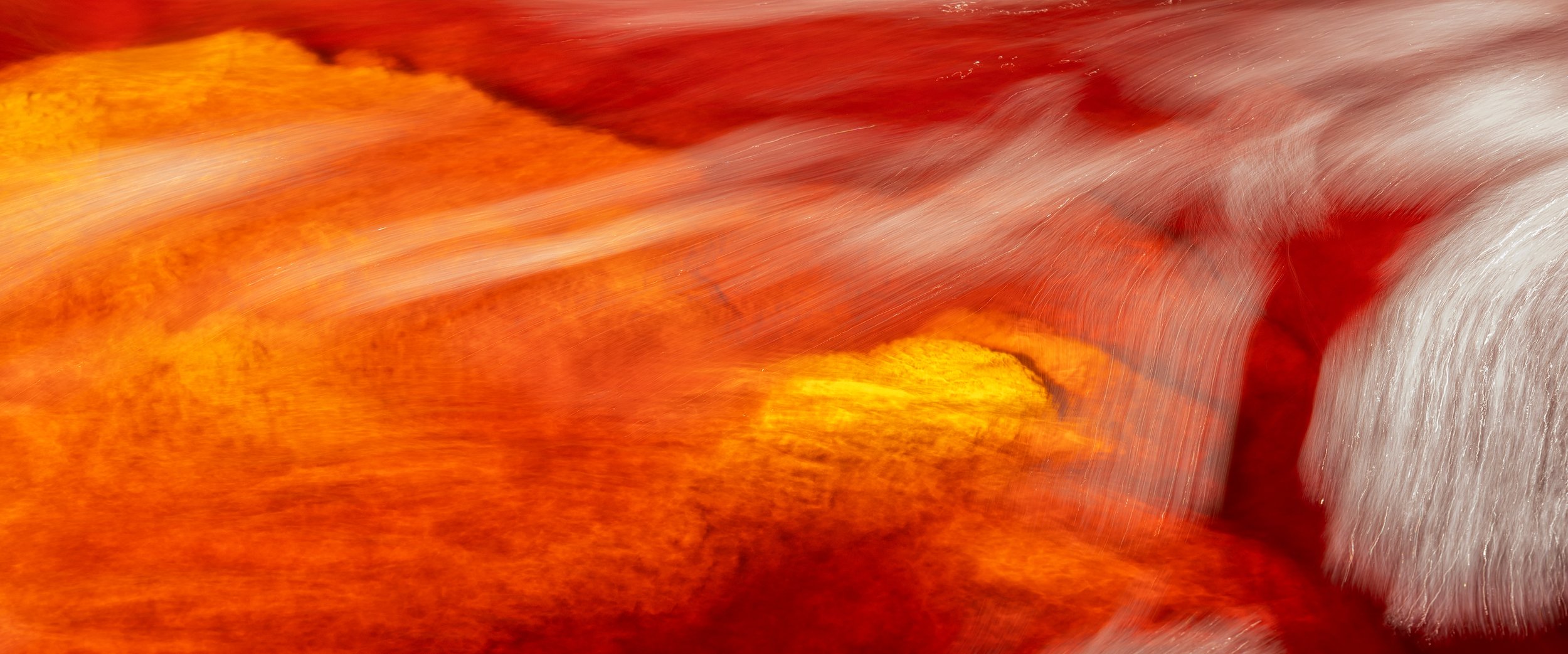
Aqua Tincta
Along the banks of the Rio Tinto, water reveals itself as transformed matter.
Its acidity, resulting from the prolonged dissolution of iron and other metals, permeates the riverbed and margins, staining the river with red tones that define its identity and name.
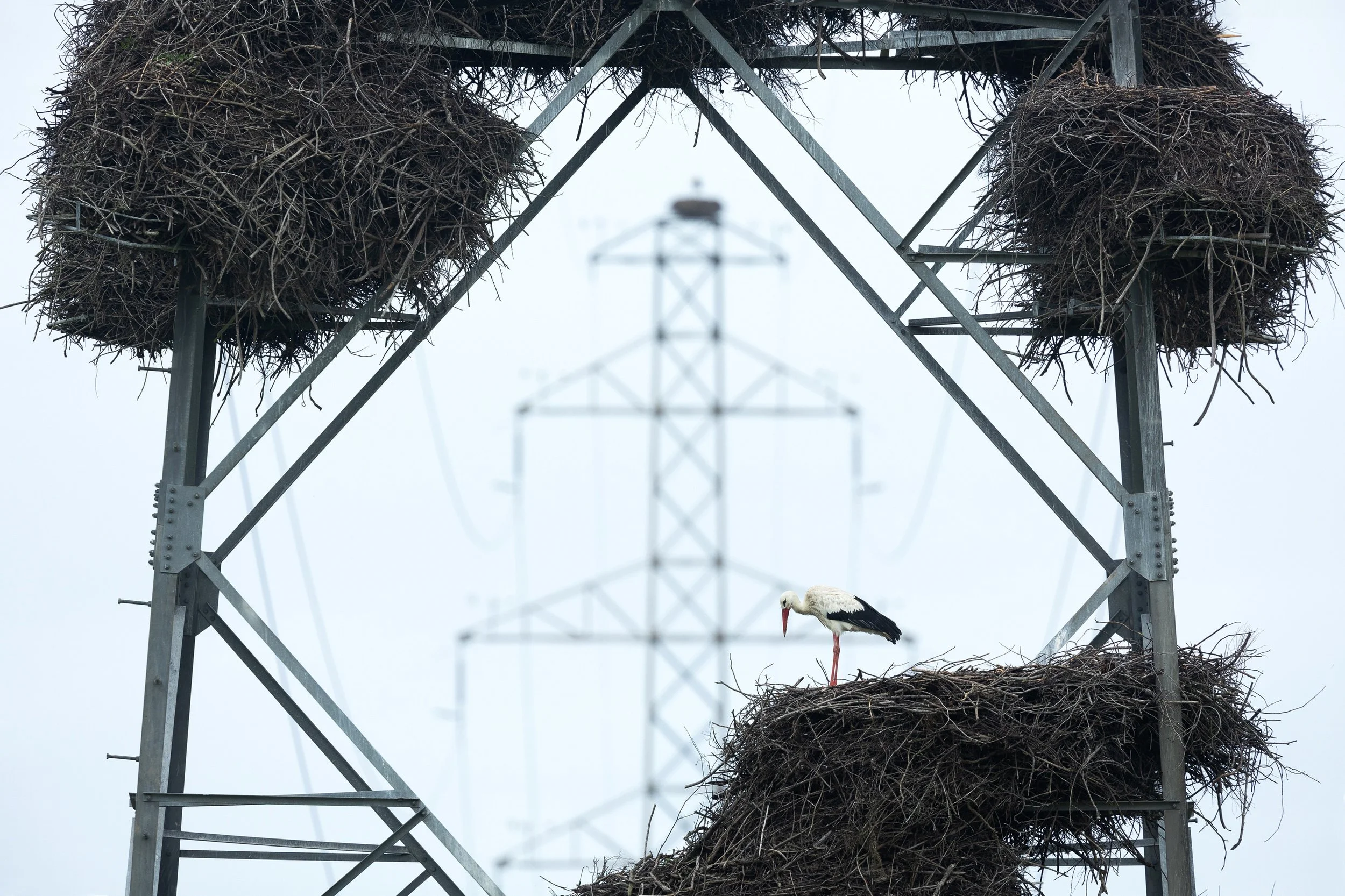
Pure white
For centuries, the white stork was synonymous with departure and return. A symbol of the seasons, migration, and the natural cycle between Europe and Africa. Today, that pattern is beginning to change. In Portugal, a growing number of individuals no longer migrate and remain in the country throughout the winter.
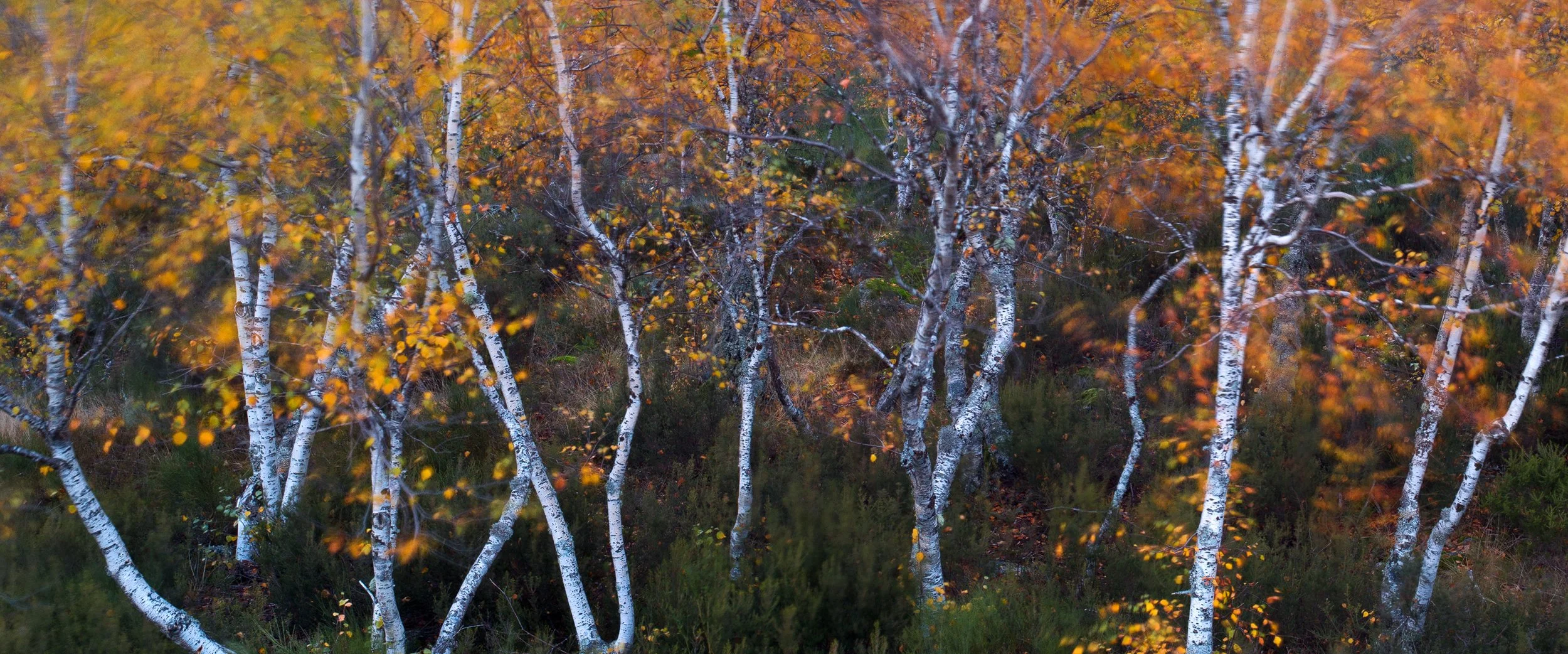
From Green to Gold
Autumn is the moment when nature reveals its most delicate and poetic transformation. Leaves that were once green and vibrant slowly surrender to shades of yellow, orange, and red, creating a landscape that celebrates the passing of time.
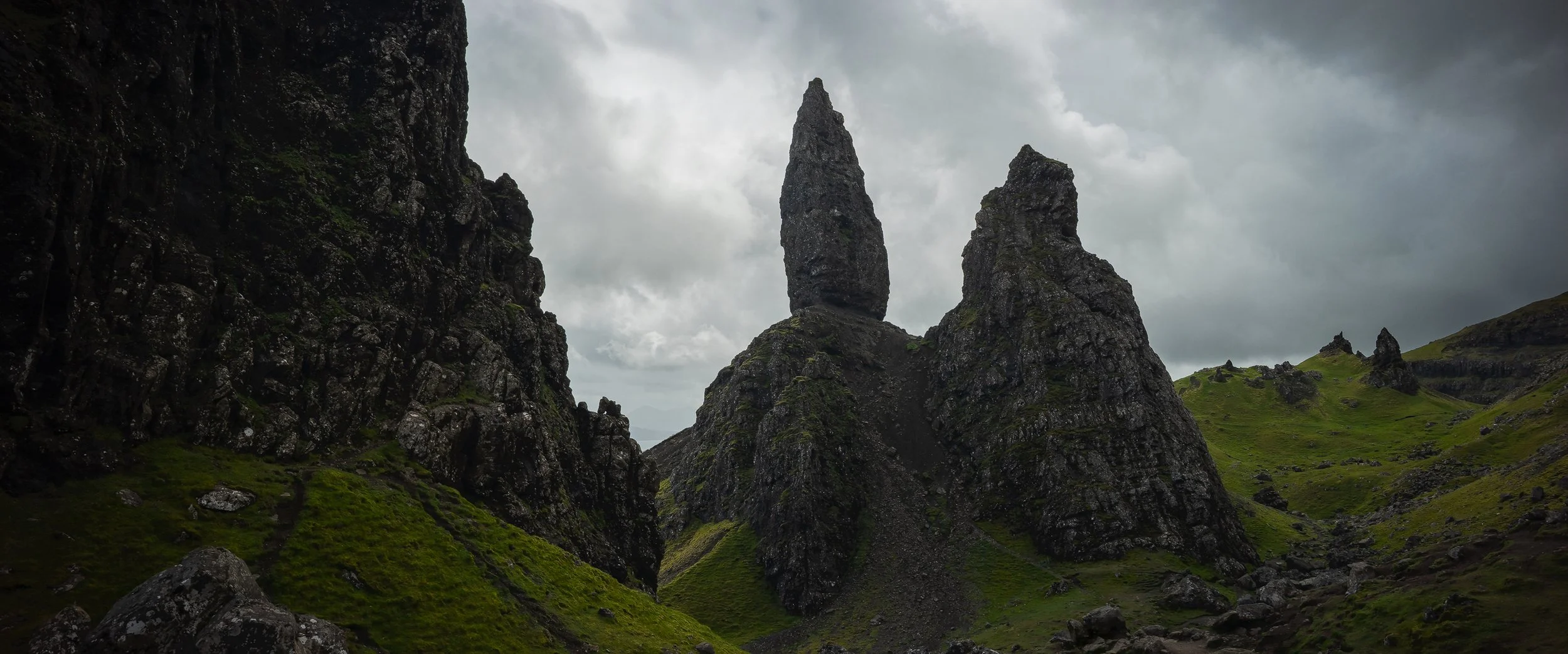

Shadows in the sky
Among the silent valleys and wind-swept cliffs, griffon vultures and black vultures rise as guardians of the cycle of life and death. Their presence commands reverence — vast wings casting ancient shadows over the land, eyes gazing into eternity.
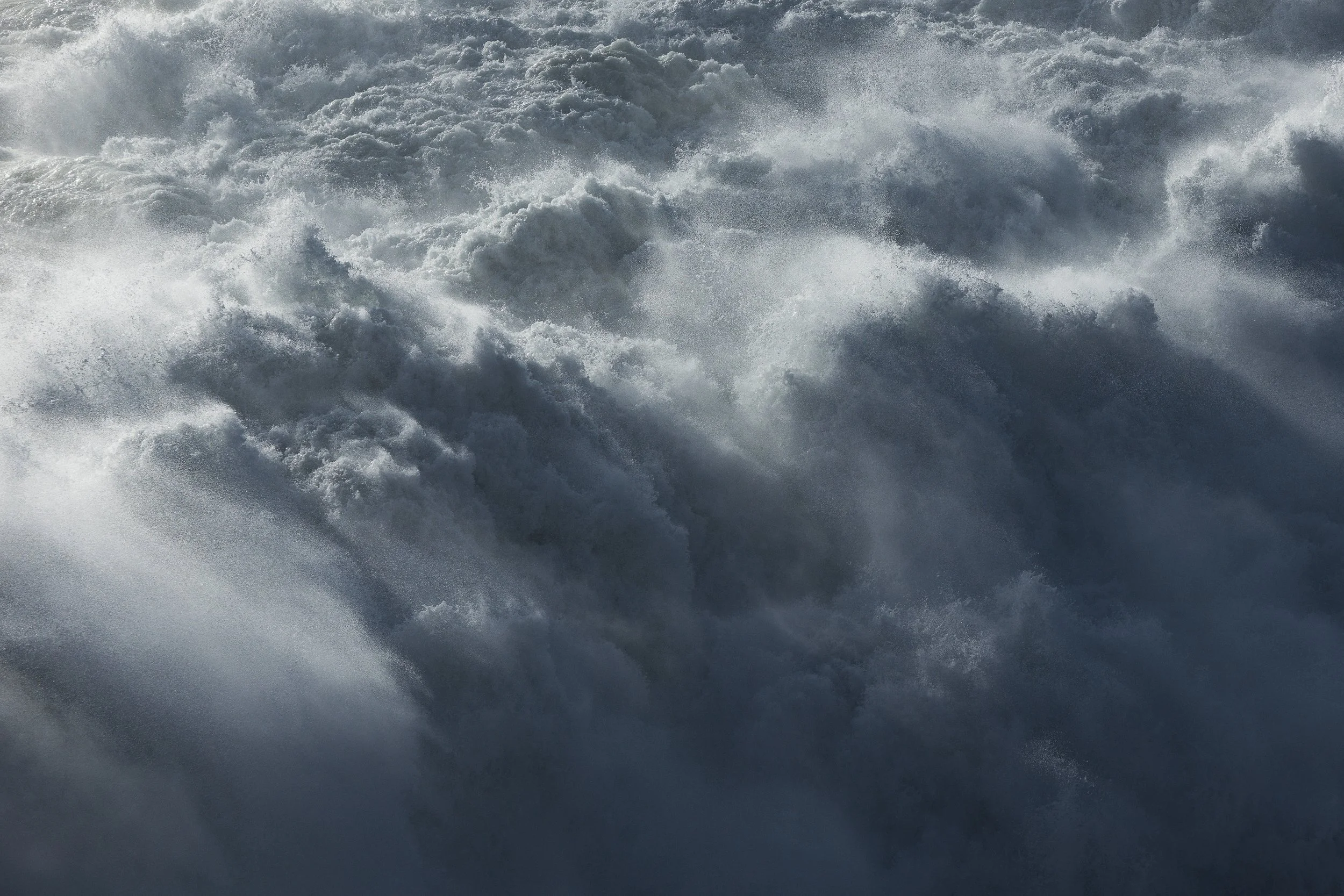
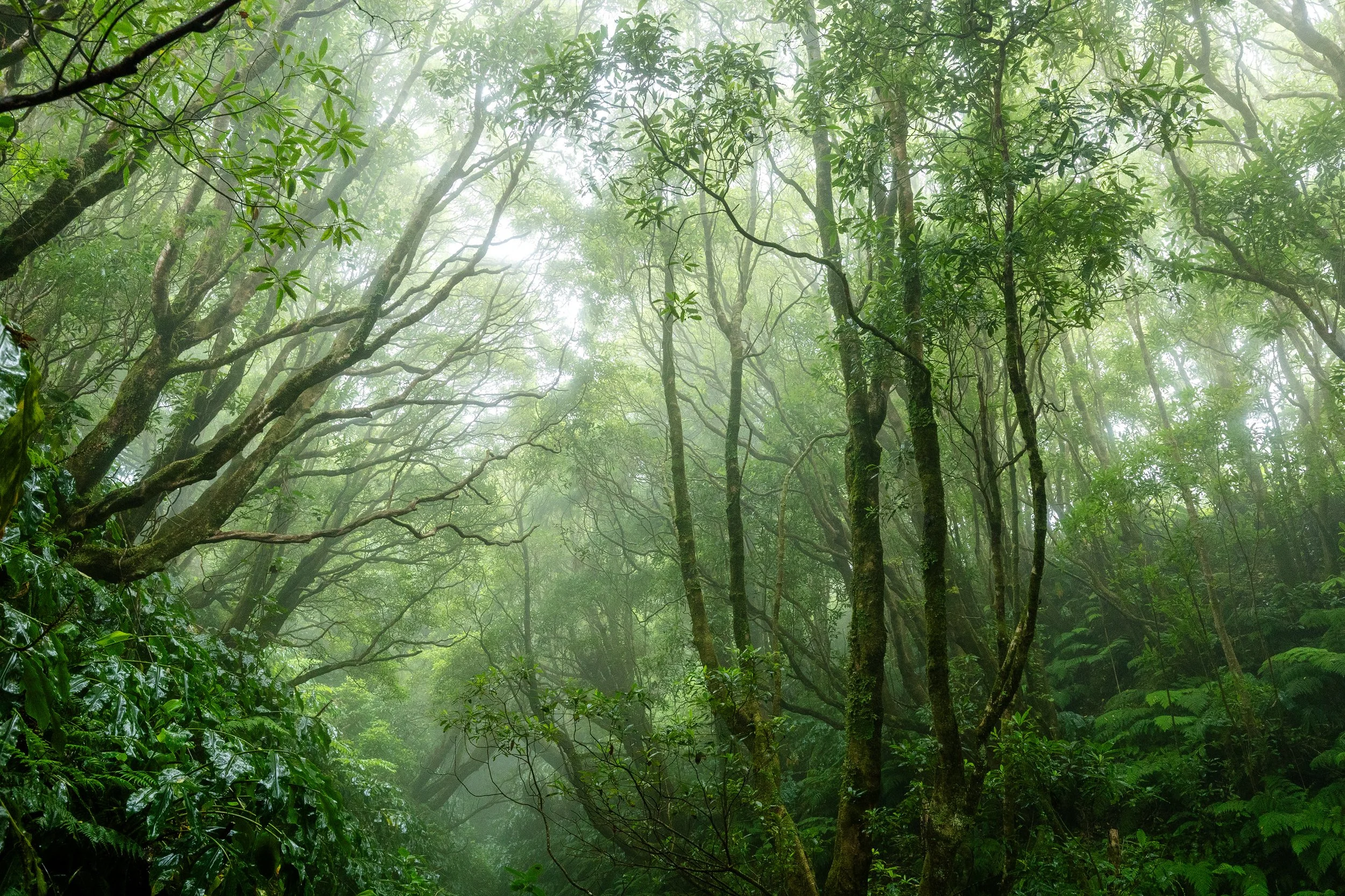
Atlantic Green
After several years visiting the Portuguese archipelagos, I’ve come to realise that every time I return, something there slows our pace and kindles the heart…
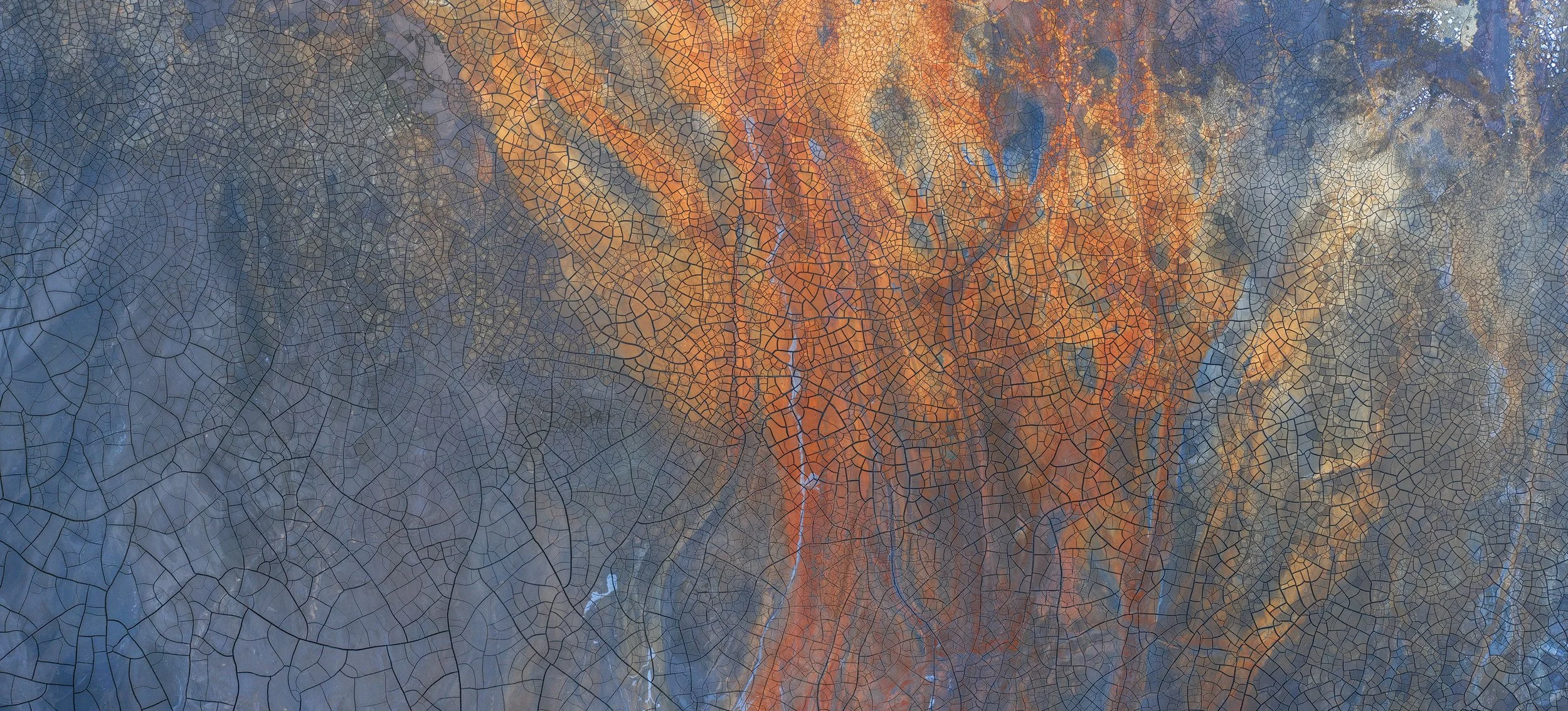
Toxic beauty
Aerial photography of dry soils marked by mining sediment reveals a raw and striking beauty. From above, the scarred land takes on a new aesthetic dimension: open wounds, deep grooves, and deposit stains form intense visual patterns…
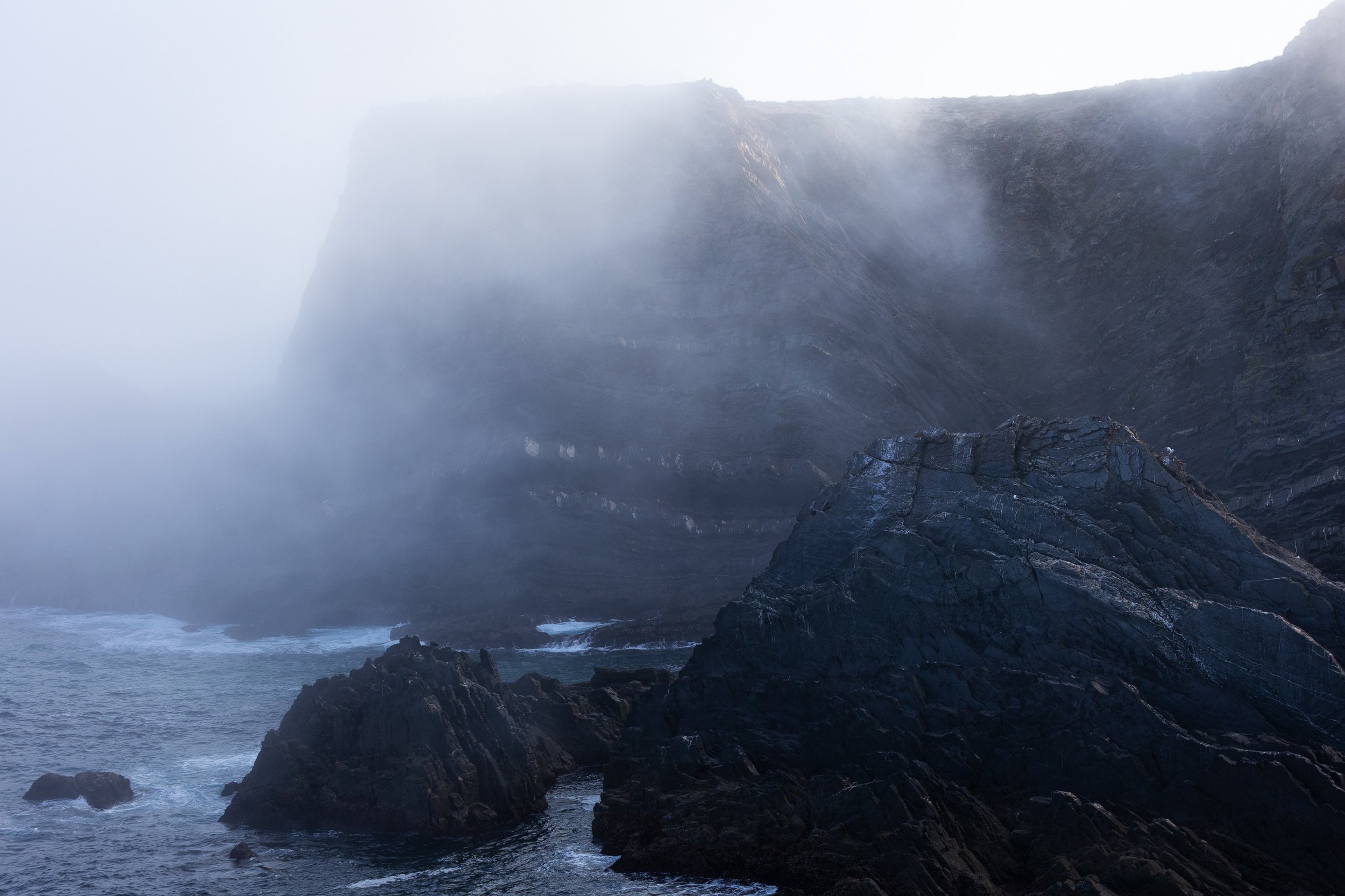
Ligação mágica
Já visitei este local incontáveis vezes. Em muitas delas, movido apenas pelo desejo de contemplar a sua beleza serena e intemporal.
Habitualmente, fotografo-o de um ponto mais elevado, explorando a paisagem a partir de ângulos amplos. No entanto, ao longo dos anos e com sucessivas visitas, fui descobrindo formas de o abordar sob novas perspetivas — algumas mais acessíveis, outras exigindo algum engenho e persistência.
42
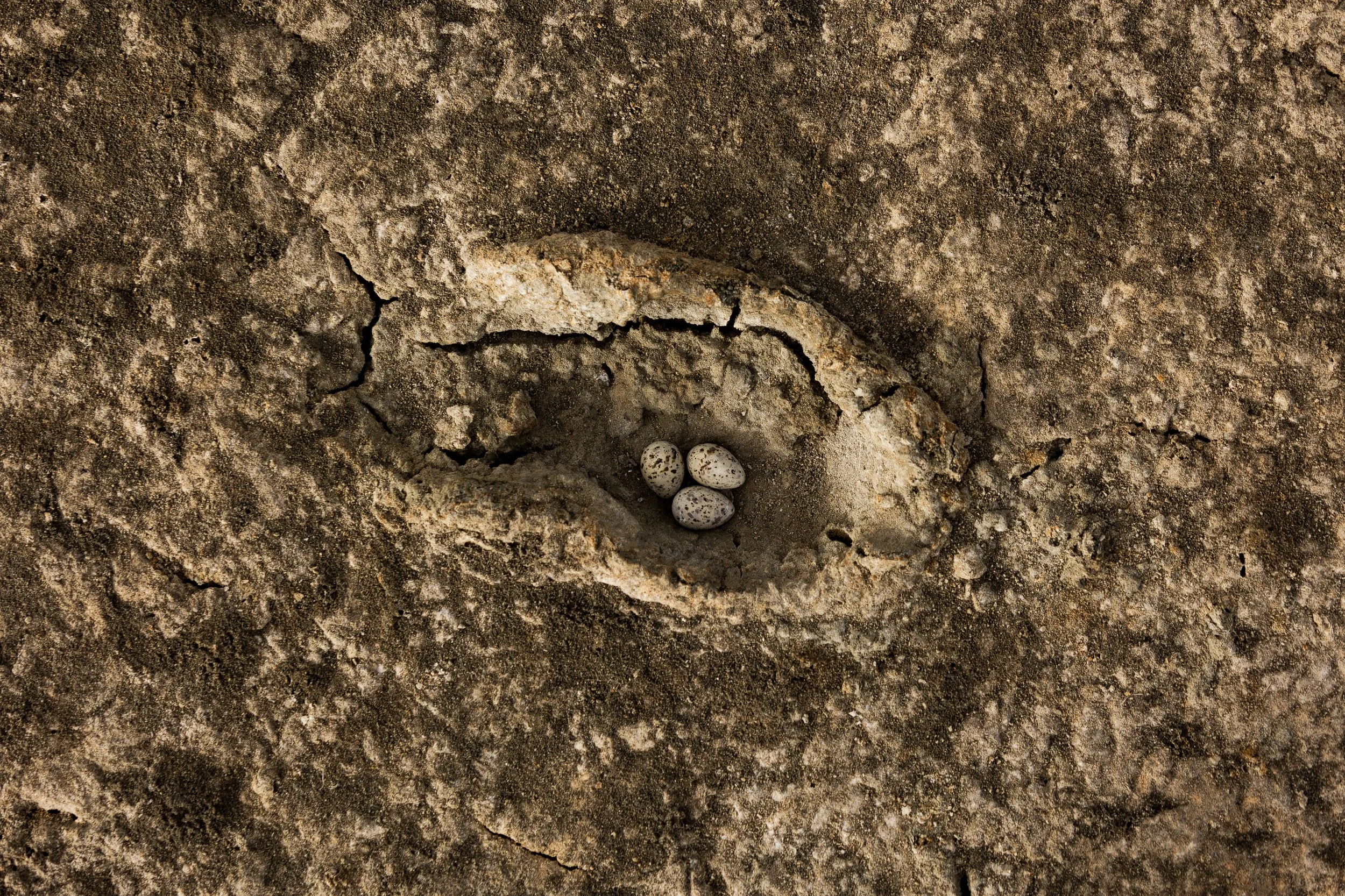
The impact of our presence should make us reflect. It would be important to take a closer look at where we step and how we step. However, this “42” size footprint, which left its mark on the damp soil of an abandoned salt mine, created something more than a footprint, a shelter, a more welcoming place to generate a new “family”.

Secrets of time
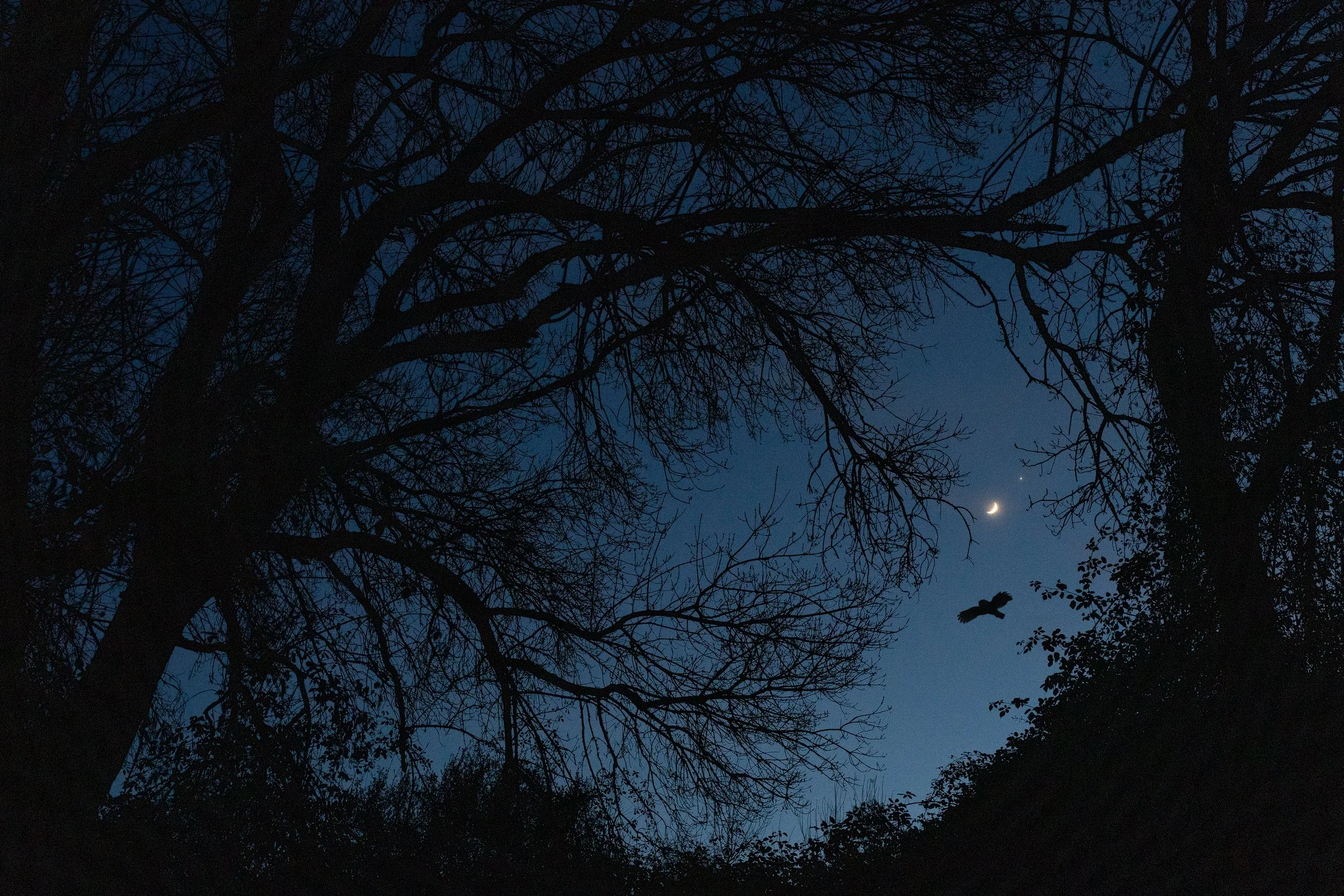
There is something deeply magical about detailed photography. There is an almost secret power to find beauty where the common eye sees only chaos. It is like a visual whisper that hides amidst the vastness—a fragment of sea rock sprinkled with salt and time, a curve carved by the tides, a shy moss growing in the shadow of the sand.
Blue and orange
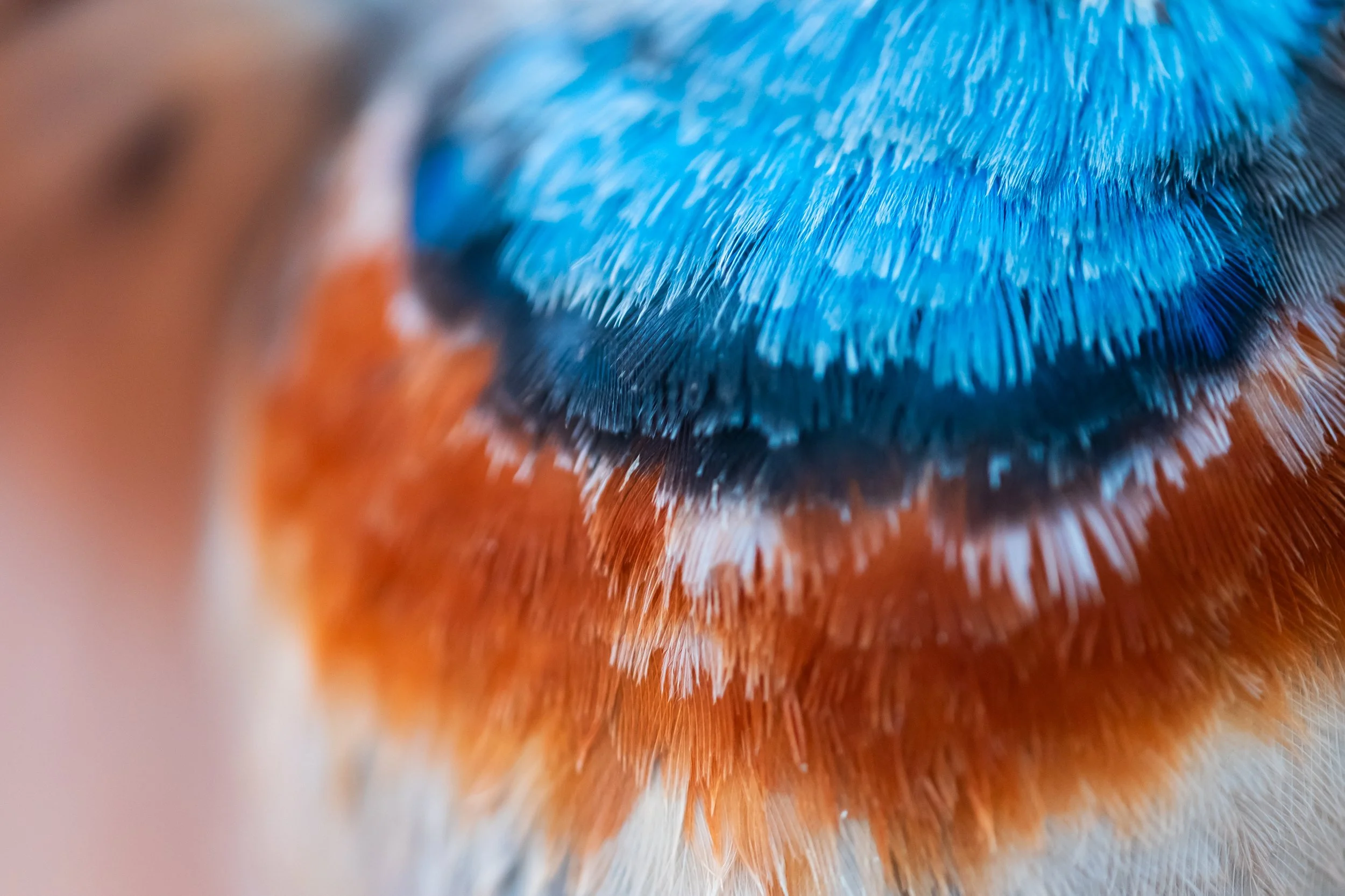
The Luscinia svecica, commonly known as the bluethroat, is a small passerine bird from the Muscicapidae family. During the winter, this species finds refuge in Portuguese estuaries, where it encounters ideal conditions to survive the colder months.
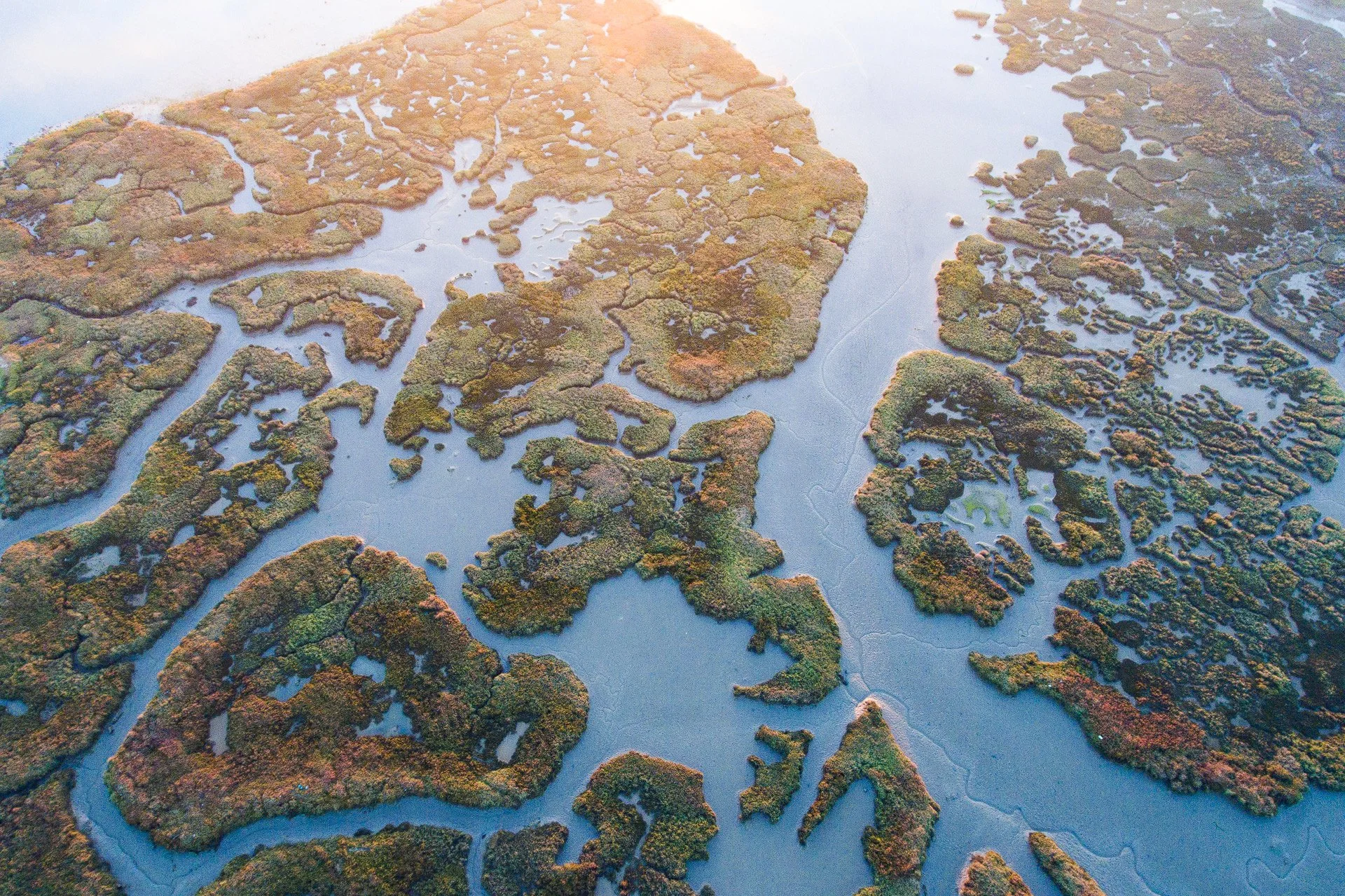
Between serenity and hustle
The Sado River originates in the Serra da Vigia and flows for about 180 km before emptying into the Atlantic Ocean in Setúbal. Along its course, it shapes breathtaking landscapes, from the Alentejo plains to estuaries rich in biodiversity. Its banks host a harmonious interaction between nature and human presence, where fishing, agriculture, and wildlife observation intertwine.
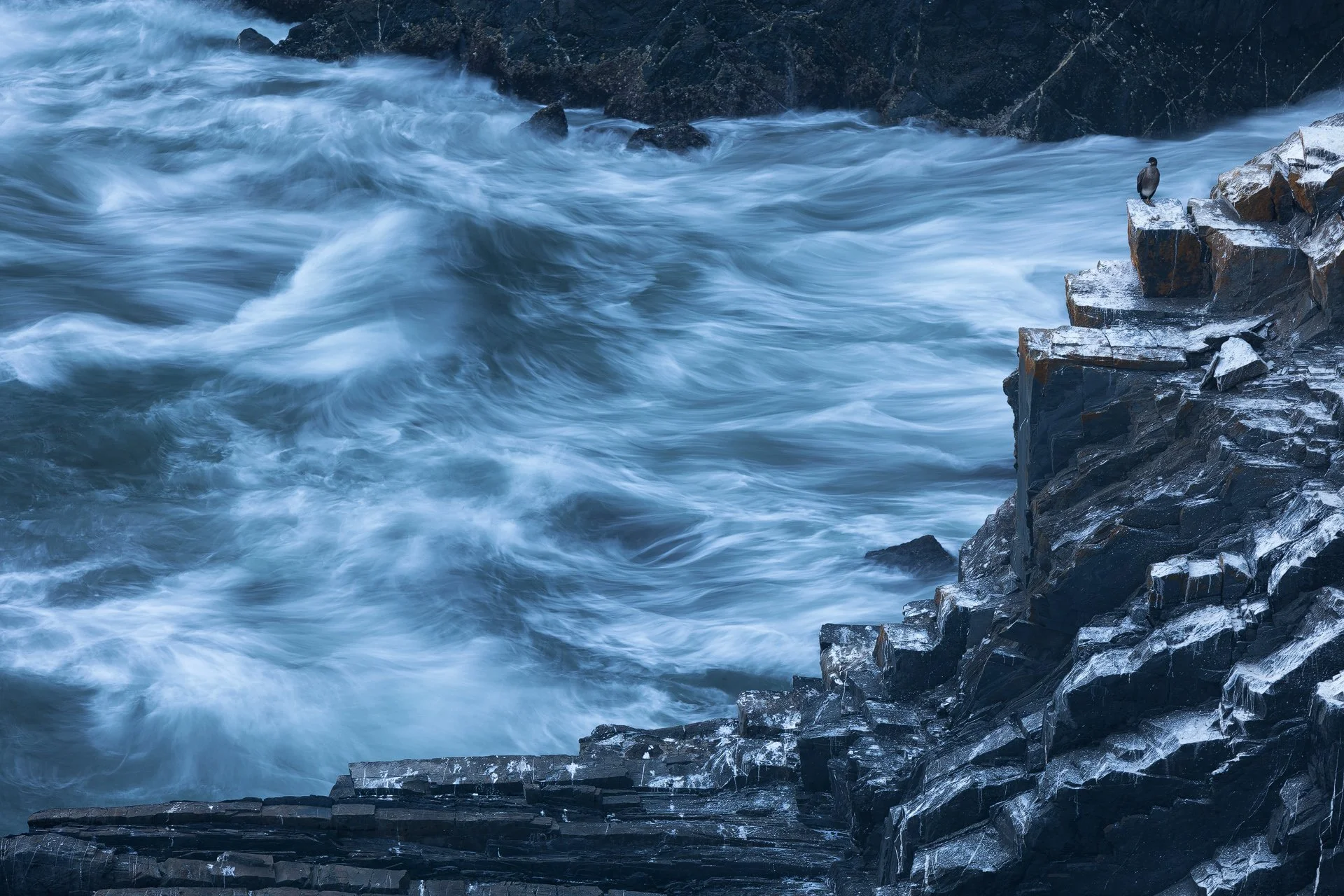
On the edge of survival
with the rapid increase in the population of cormorants (phalacrocorax carbo) throughout europe, their observation has become increasingly easier, especially in reservoirs and rivers, where they find tall trees or perches that allow them to bask in the sun and thus remove water from their feathers.