Pure white
(ENG)
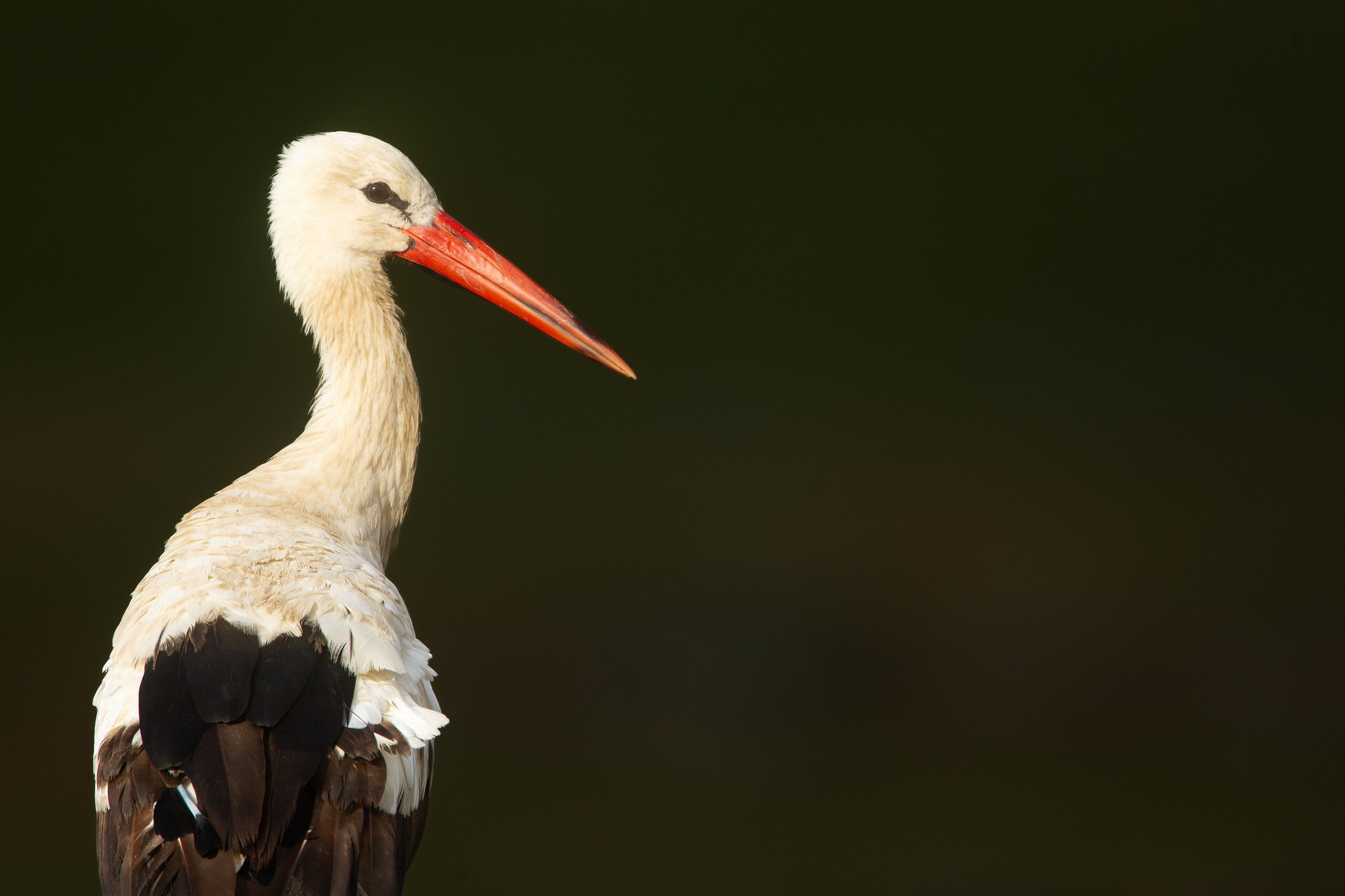
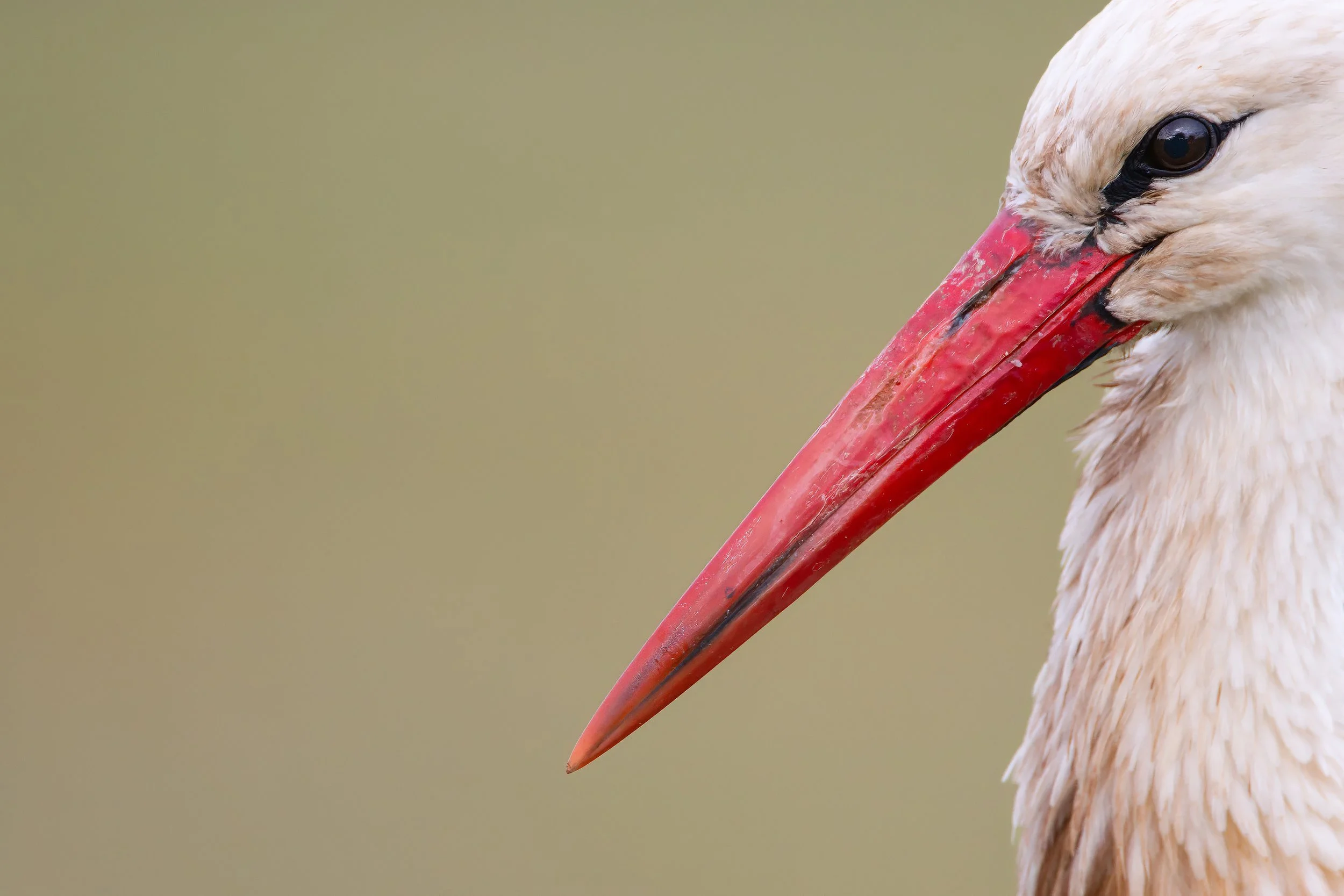
For centuries, the white stork was synonymous with departure and return. A symbol of the seasons, migration, and the natural cycle between Europe and Africa. Today, that pattern is beginning to change. In Portugal, a growing number of individuals no longer migrate and remain in the country throughout the winter.
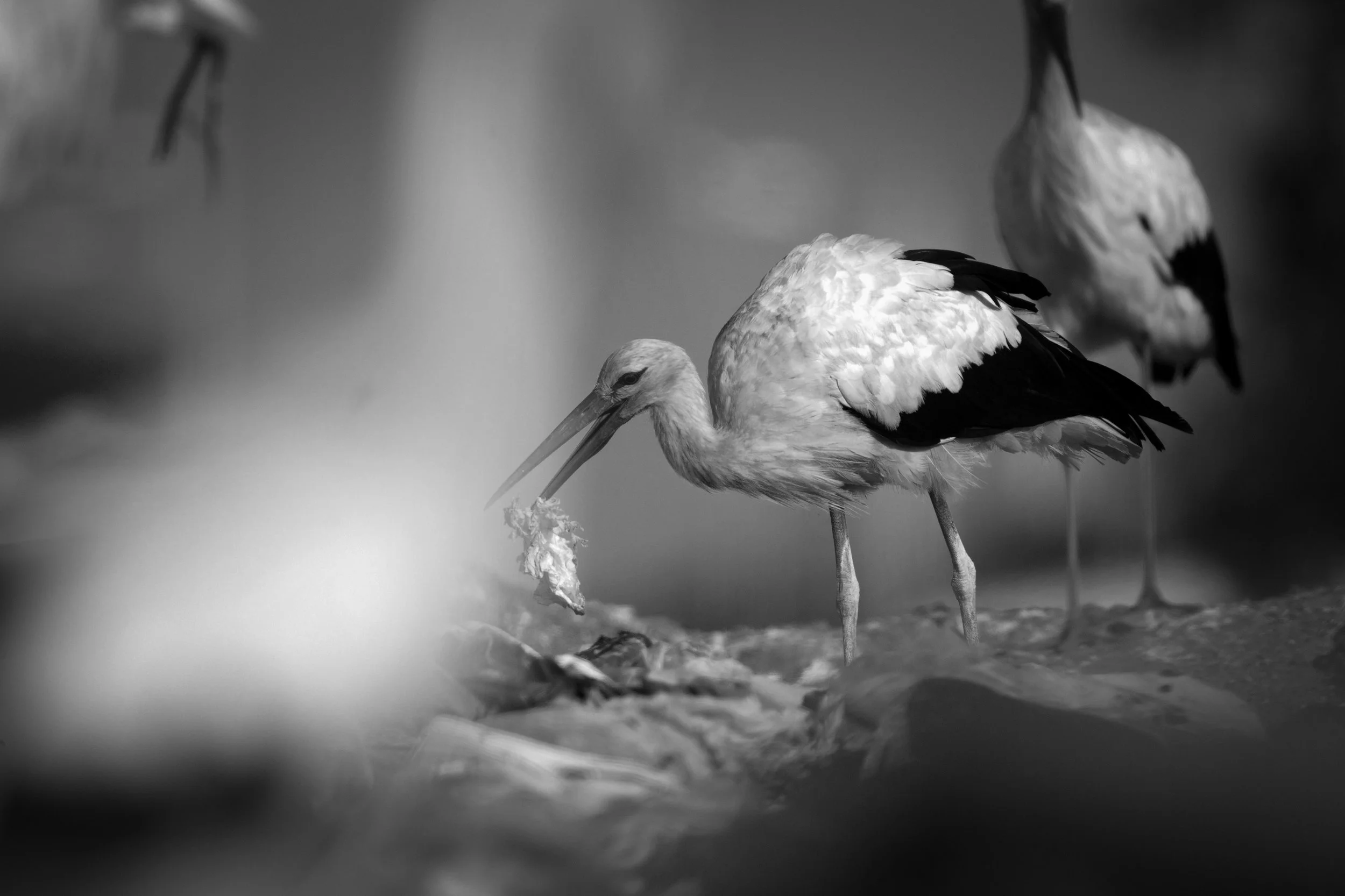
The reason is deeply human. The constant availability of food — linked to landfills, intensive agricultural areas, and altered landscapes — has reduced the need for the long and risky journey south. Milder winters complete the picture. White storks have adapted, staying year-round and revealing a remarkable ability to respond to changes imposed by our presence.
(PT)
Durante séculos, a cegonha-branca foi sinónimo de partida e regresso. Um símbolo das estações, da migração e do ciclo natural entre a Europa e África. Hoje, esse padrão começa a mudar. Em Portugal, um número crescente de indivíduos já não emigra e permanece no território durante todo o inverno.
A razão é profundamente humana. A disponibilidade constante de alimento — associada a aterros, zonas agrícolas intensivas e ambientes alterados — reduziu a necessidade da longa e arriscada travessia para sul. O clima mais ameno faz o resto. As cegonhas adaptaram-se, ficando, revelando uma impressionante capacidade de resposta às mudanças impostas pela nossa presença.
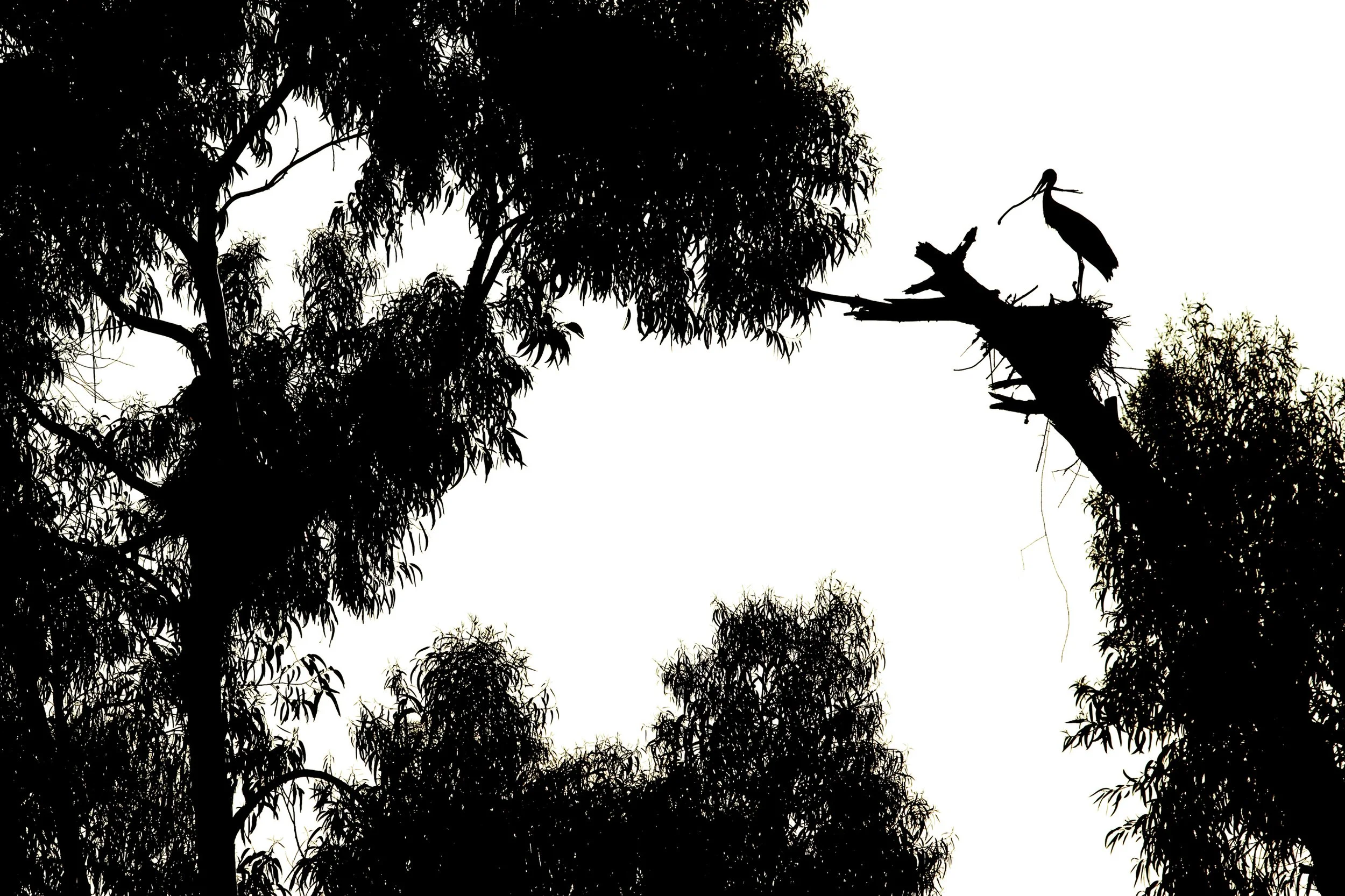
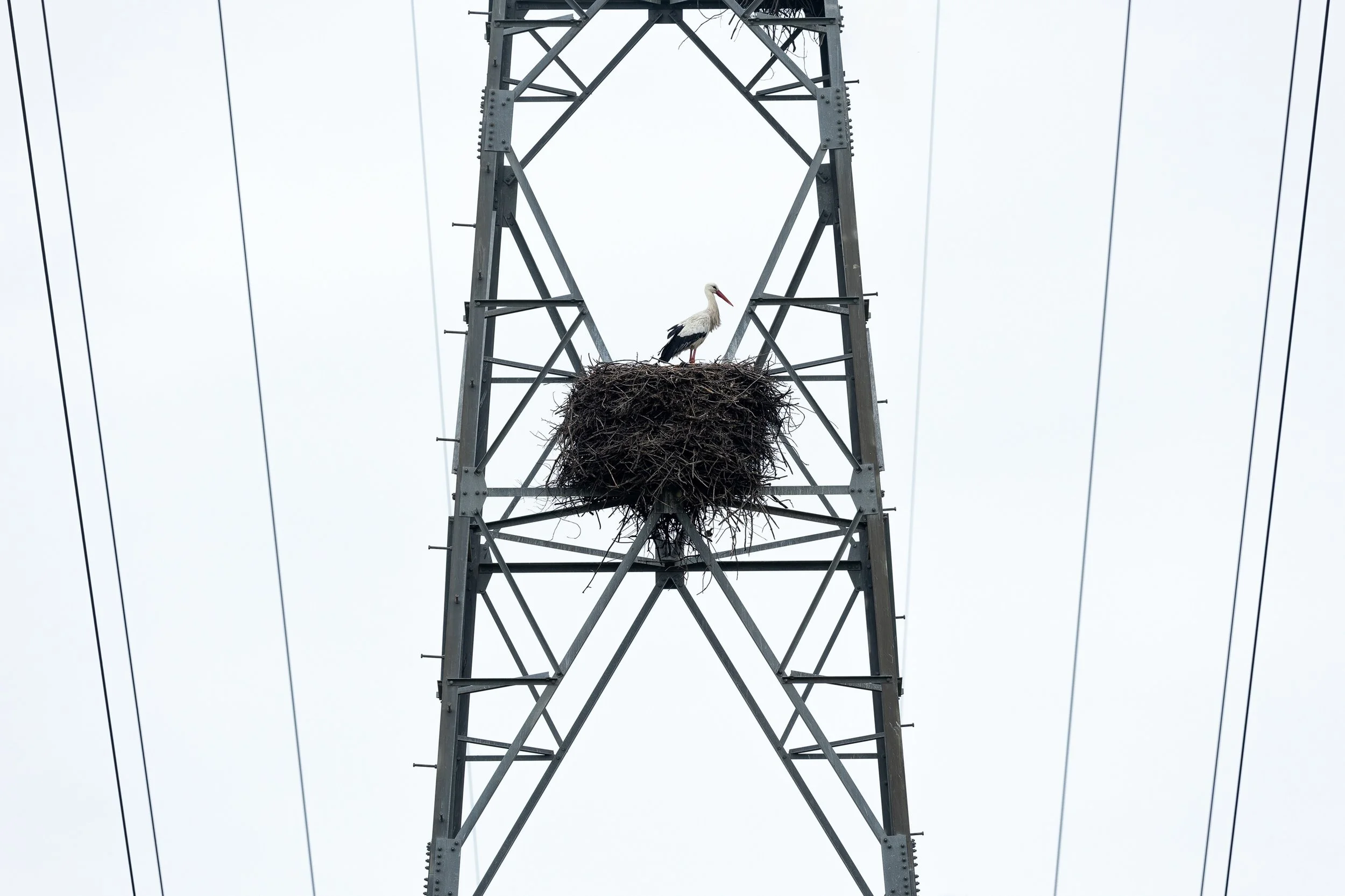
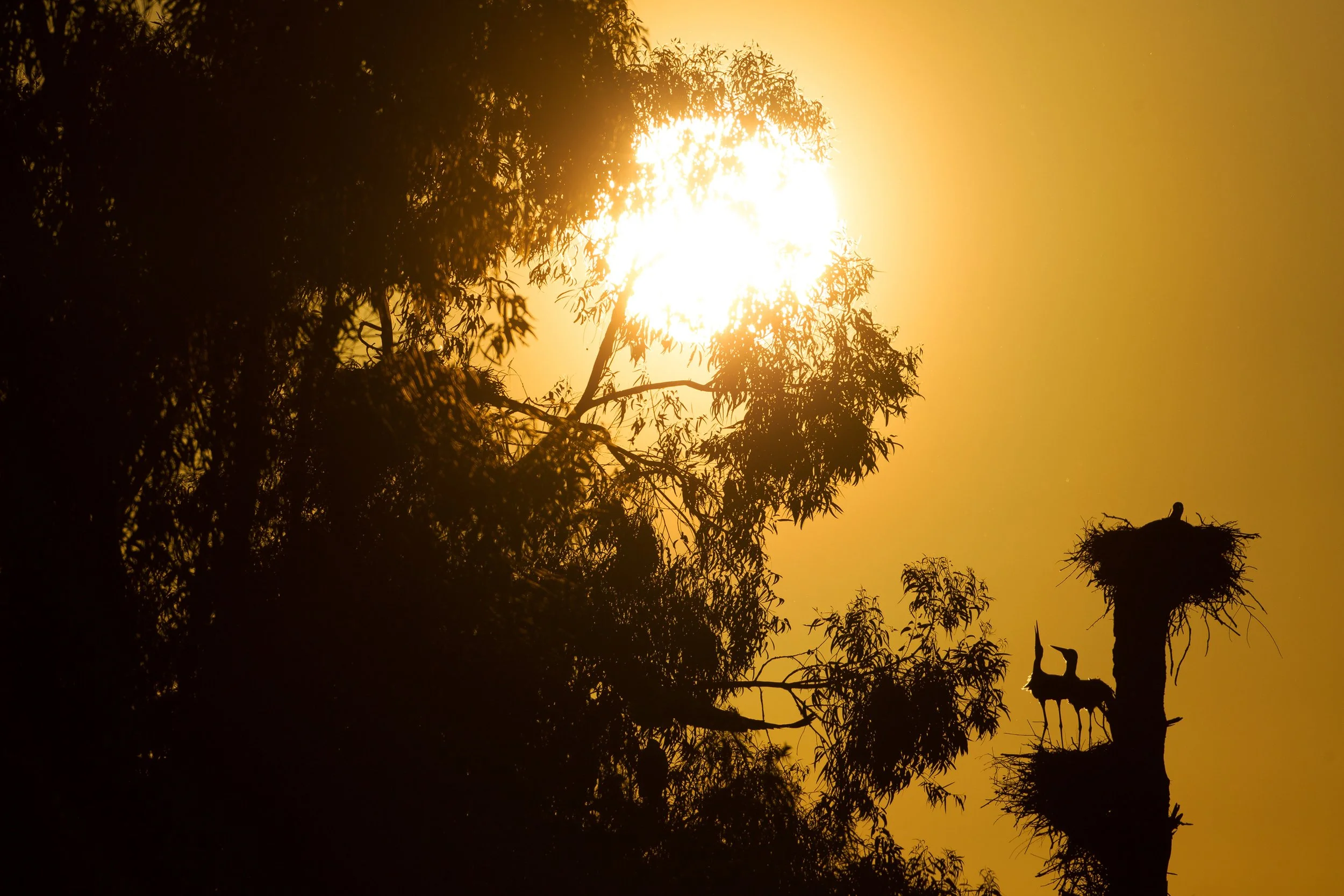
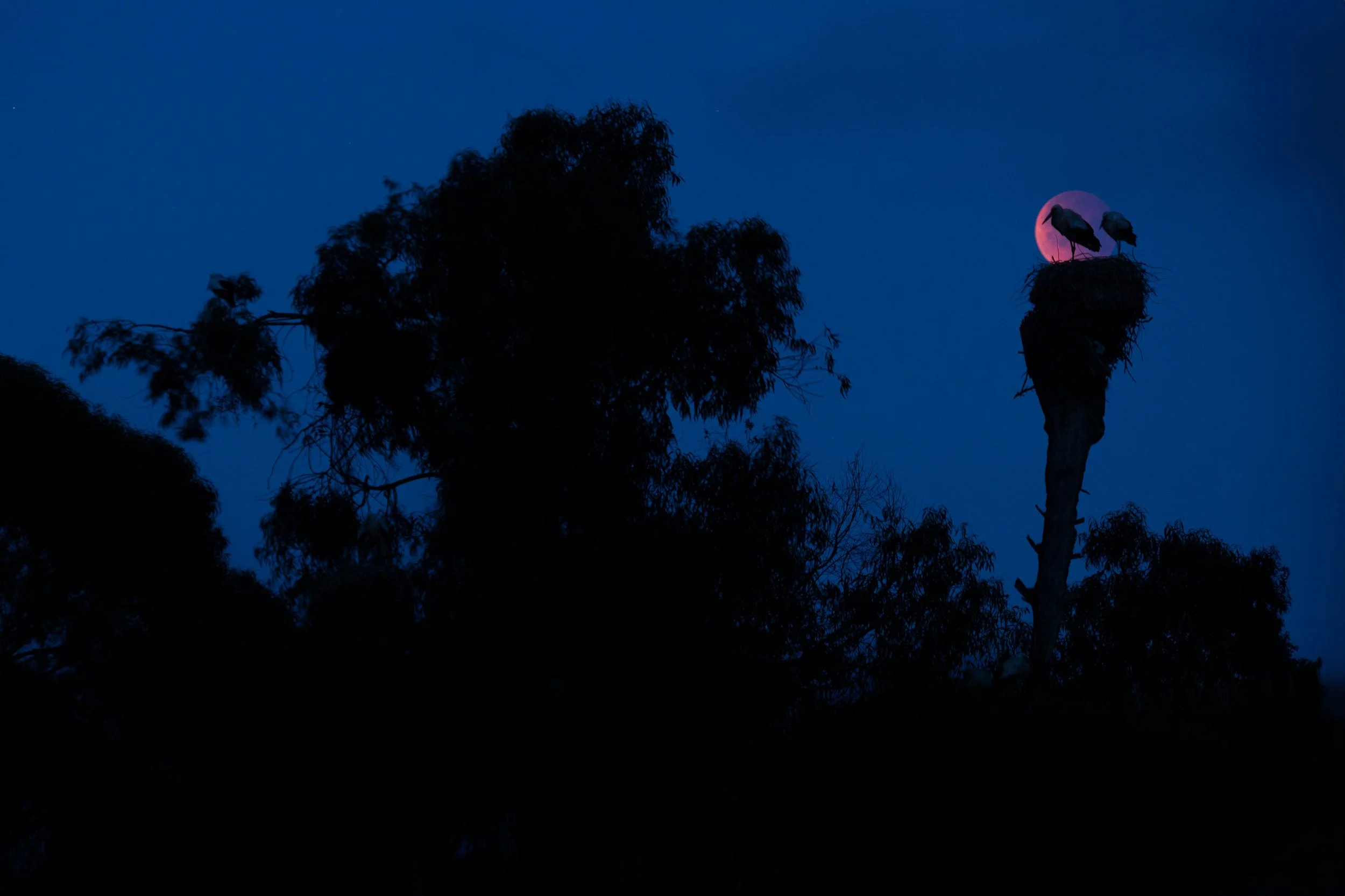
This closeness to humans is also reflected in the places they choose to nest. Chimneys, poles, towers, and rooftops have become extensions of their natural habitat, creating a landscape where the wild and the built environment coexist side by side. Few large birds live so intimately connected to human structures.
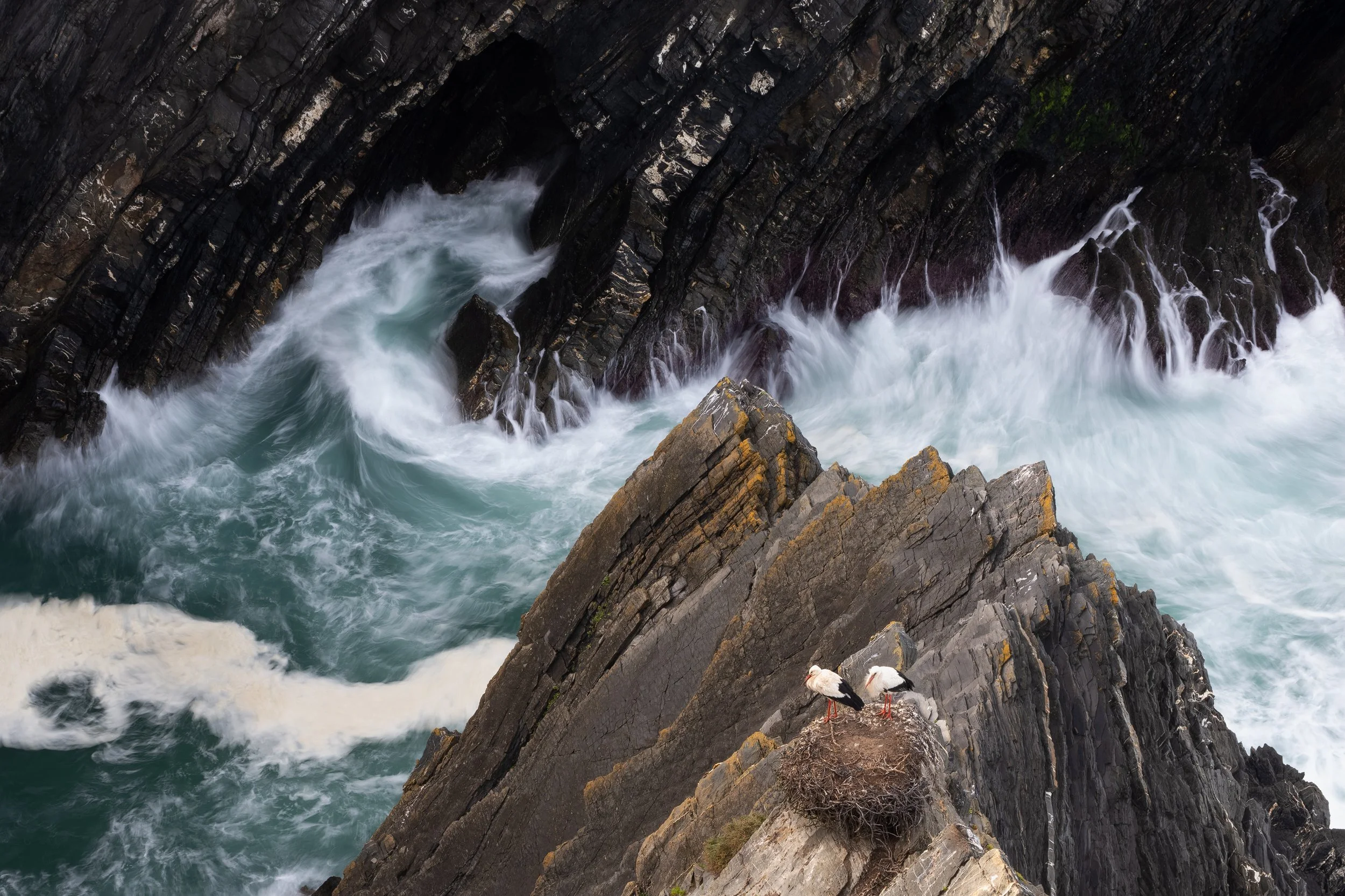
But it is along the Vicentine Coast that this relationship reaches an absolutely unique expression. Nowhere else in the world do white storks nest on sea cliffs. Here, they face Atlantic winds, salt spray, and the force of the ocean, occupying cliffs where the improbable has become routine. This exclusive behaviour is shaped by an extreme and singular territory.
Essa proximidade com o homem reflete-se também nos locais que escolhem para nidificar. Chaminés, postes, torres e telhados tornaram-se extensões do seu habitat natural, criando uma paisagem onde o selvagem e o construído coexistem lado a lado. Poucas aves de grande porte vivem tão intimamente ligadas às nossas estruturas.
Mas é na costa vicentina que esta relação atinge uma expressão absolutamente única. Em nenhum outro lugar do mundo as cegonhas-brancas nidificam sobre escarpas marítimas. Aqui, enfrentam o vento atlântico, o sal e a força do oceano, ocupando falésias onde o improvável se tornou hábito. Um comportamento exclusivo, moldado por um território extremo e singular.
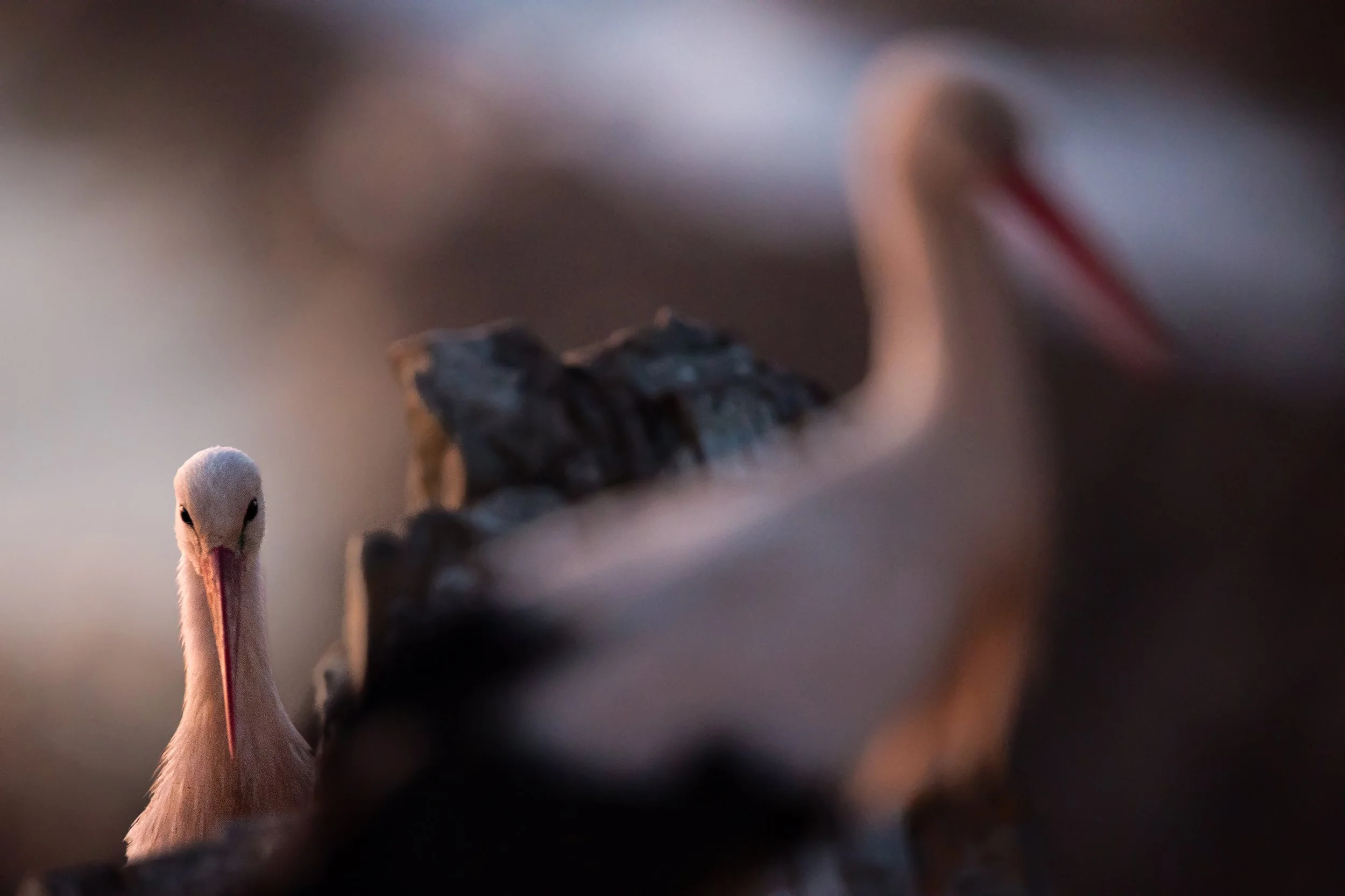
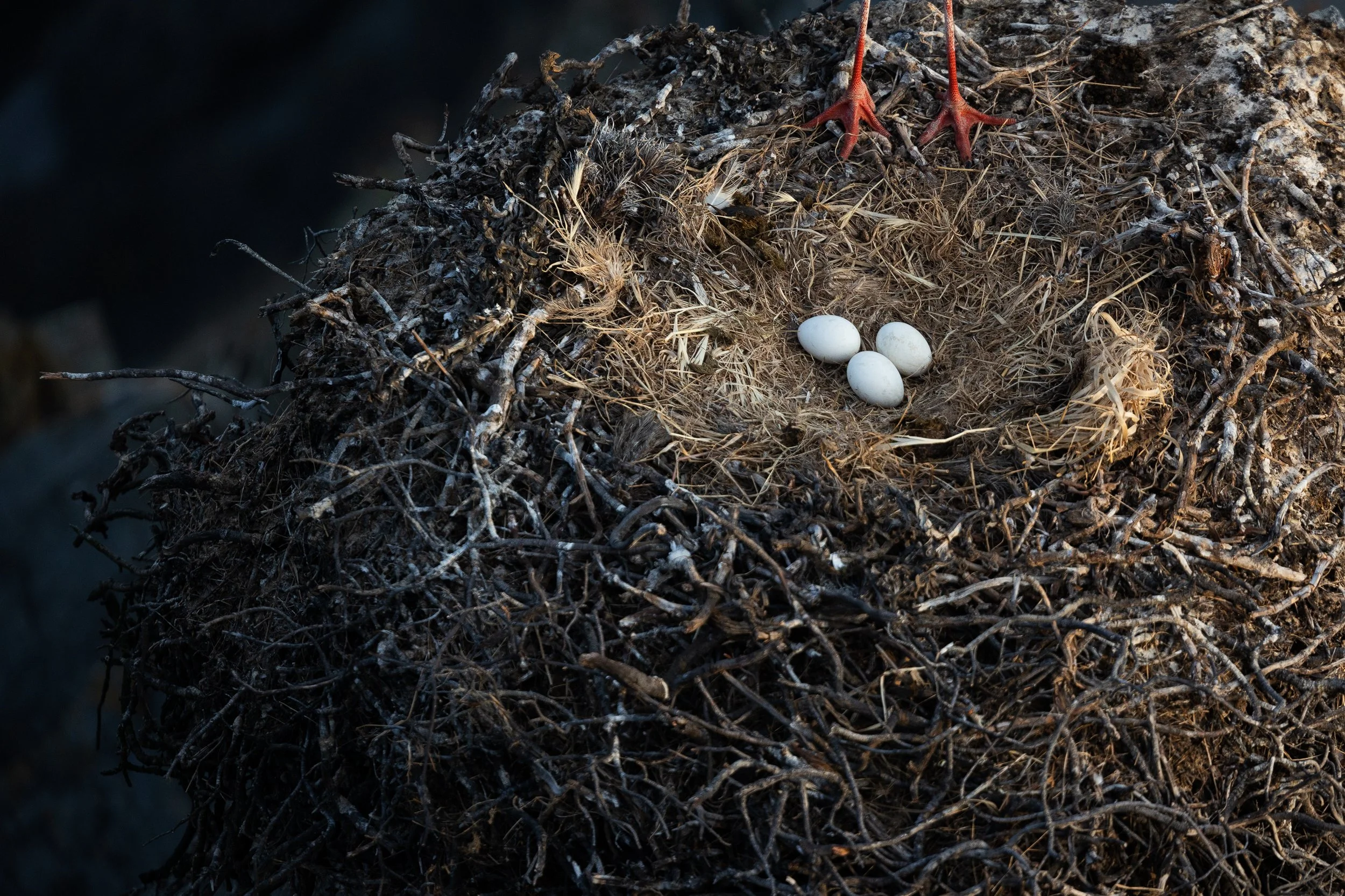
Estas imagens procuram testemunhar essa adaptação contínua — entre o céu e a terra, entre o natural e o humano — e lembrar que a paisagem não é estática. Tal como as cegonhas, também ela muda, responde e resiste.
These images seek to bear witness to this ongoing adaptation — between sky and land, between the natural and the human — and to remind us that landscapes are not static. Like the storks, they change, respond, and endure.